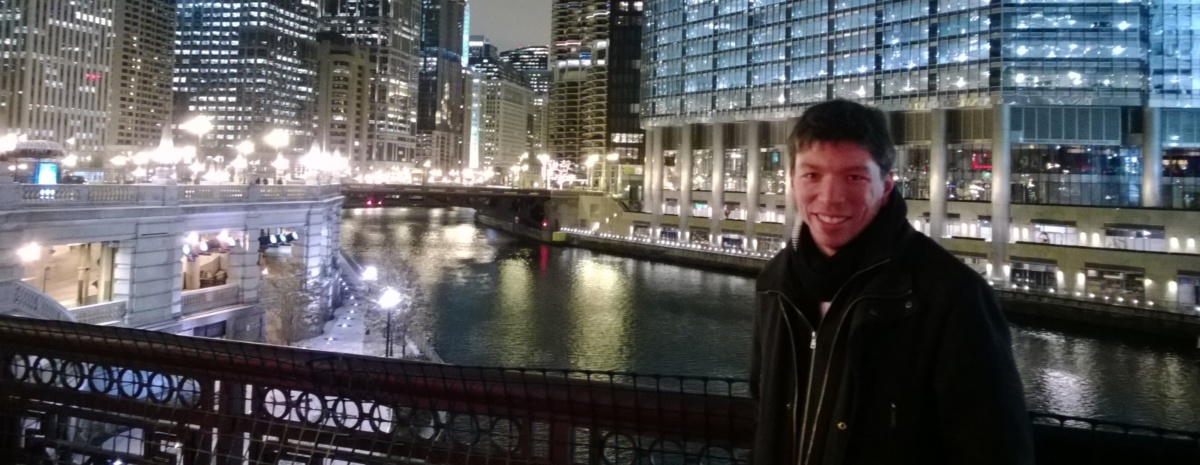
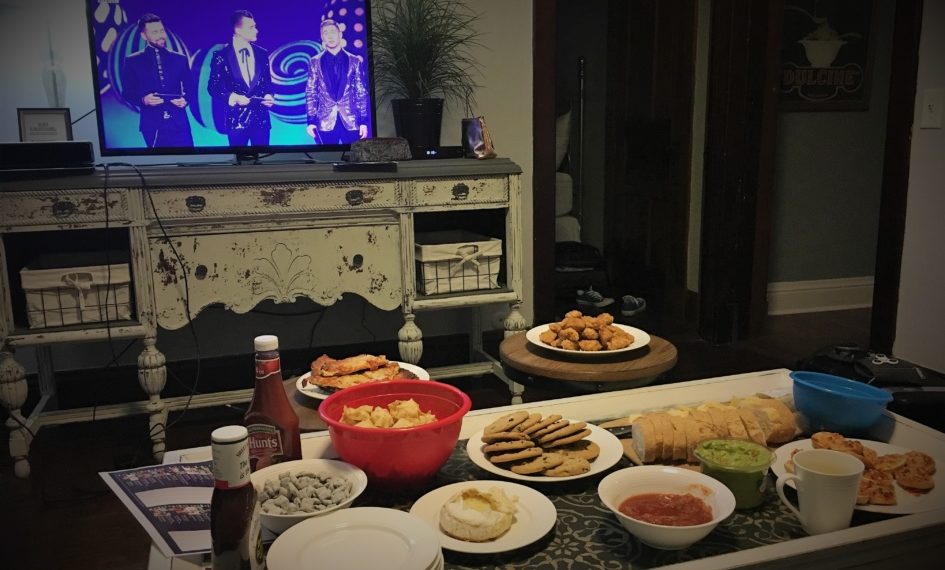
Last weekend we journeyed to Lake Geneva, Wisconsin with Rudy, Amanda and Melissa – the last of whom I first met in New York two years ago but has studiously avoided me in her subsequent trips to Chicago. No longer! We stayed in a quaint AirBnB, took walks around the lake (though not the full “21 mile perimeter” of which Rudy spoke), swung on swings, played an unwieldy game of giant Uno – shuffling was a challenge – and, most importantly, watched the Eurovision final on Saturday night. Most memorable was Rudy’s description of Portugal as he sung: “he looks, and sounds, like a Pixar animated short”. Then of course Portugal won, which pleased me in so much as the alternative was Bulgaria, but I still think Moldova were robbed. Again.
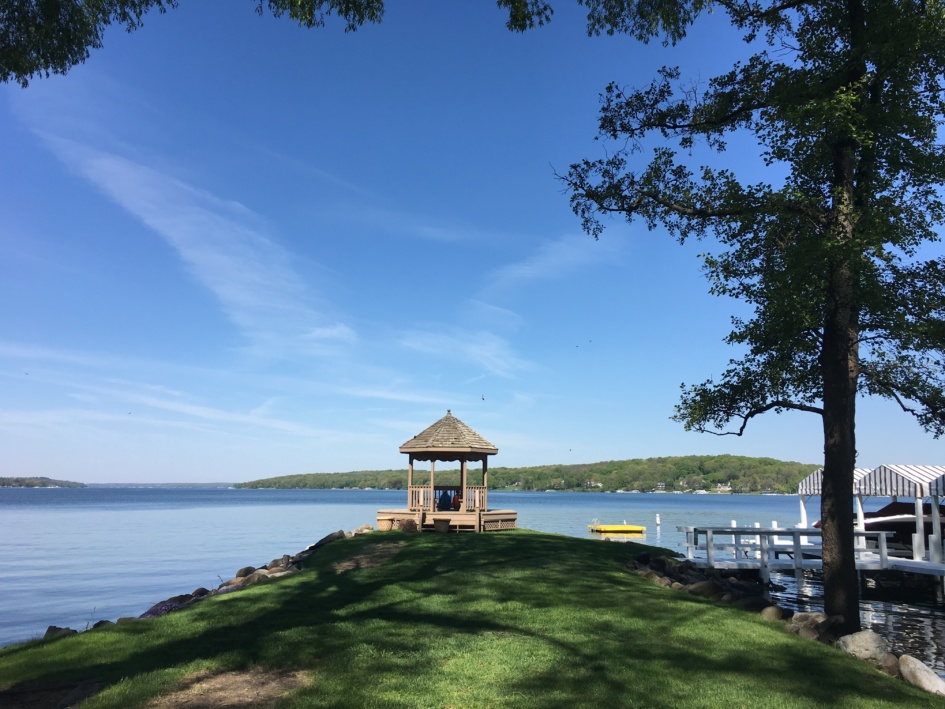
Lake Geneva
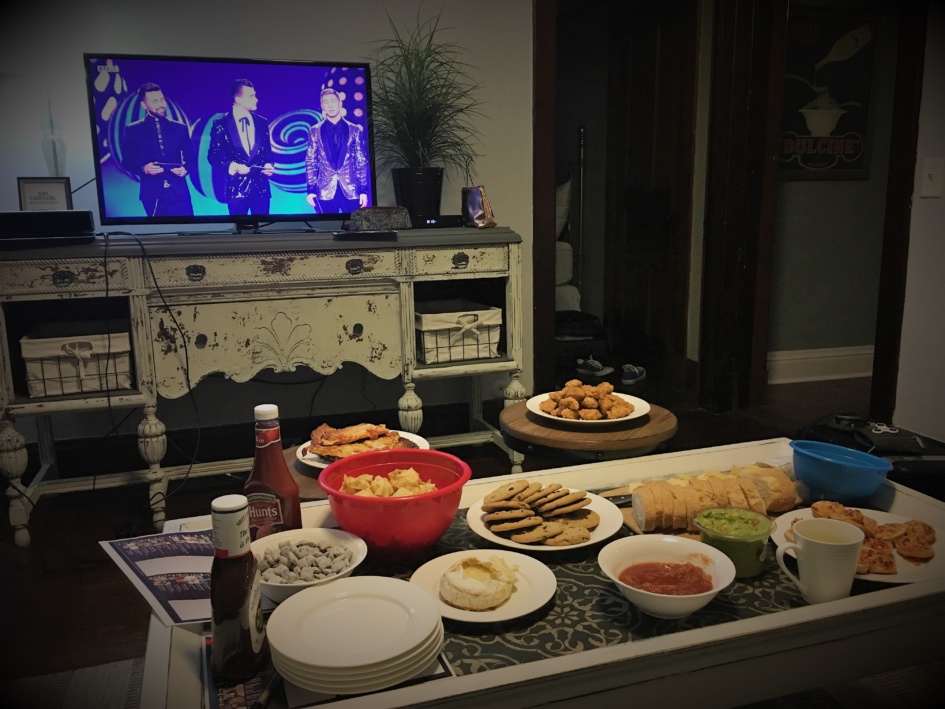
Celebrating diversity
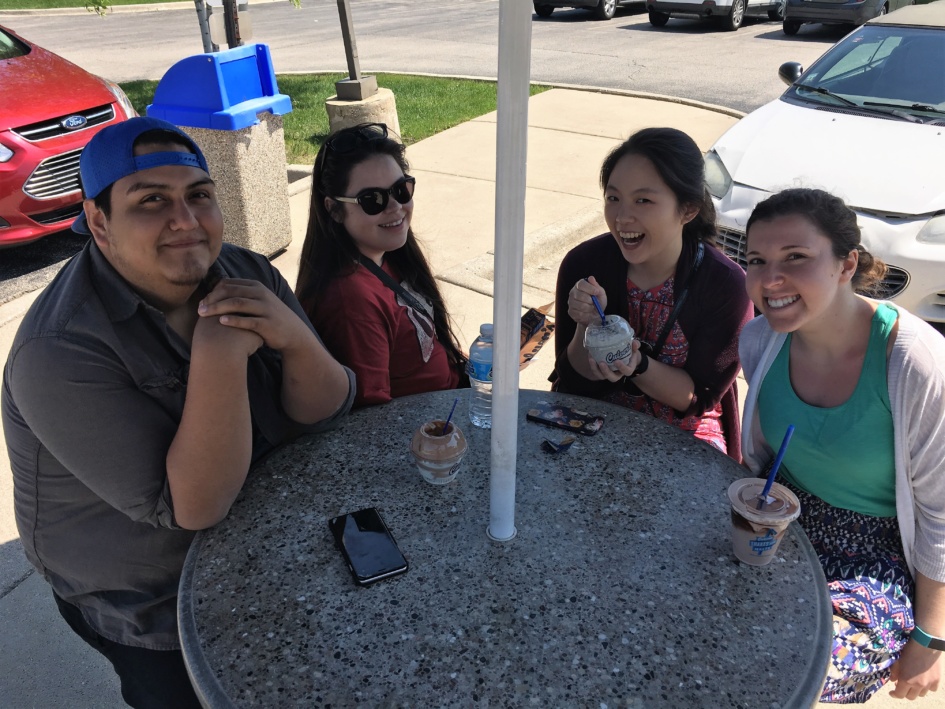
Rudy, Amanda, Melissa and Randi on a Culver’s stop
Melissa stayed a little longer with us in Chicago afterwards, which was lovely, and then on Wednesday it was Randi’s birthday! Apparently it was terribly gauche of us to eat out and order the same gnocchi with gorgonzola… but we enjoyed it 😀
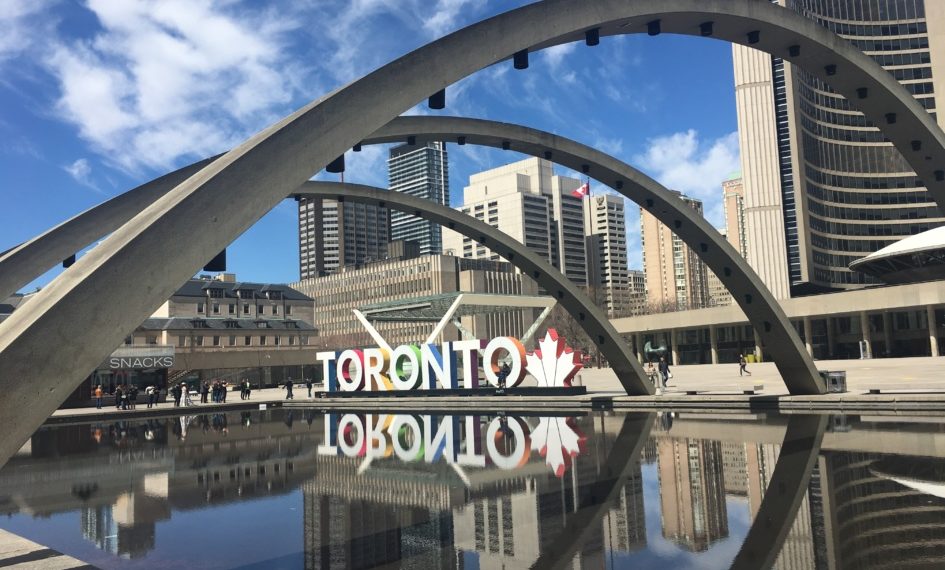
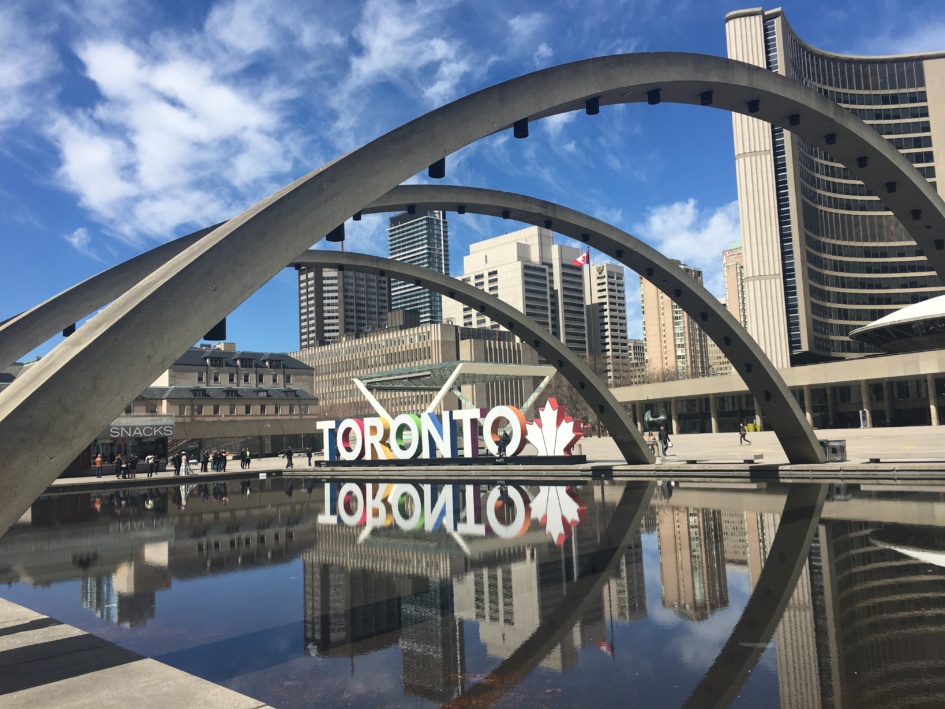
Toronto! Also, Starfleet Academy!
In the second instalment of my unadvertised ‘visit all of the Canadian provinces and territories’ challenge (note: not actually a thing) I just spent a long weekend with my parents and Randi in Toronto. Canada’s largest city is a self-evidently wonderful place with friendly vibes, a self-confident multiculturalism and lots to see and do.
The only drawback, as everyone there will tell you, is that the weather alternates between hellishly cold winters and stiflingly hot summers… so much so that a chunk of the city is hidden underground within a network of pedestrian tunnels. We obviously hit a sweet spot for weather, however, with snow on Friday complementing our Niagara Falls tour without it getting too freezing, and then increasing sunshine as the weekend progressed!
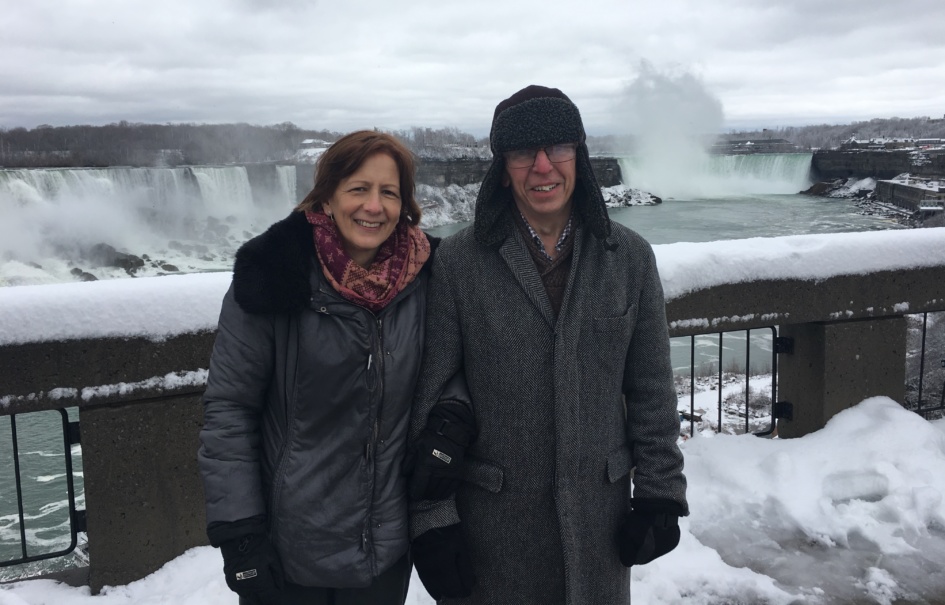
At the Niagara Falls!
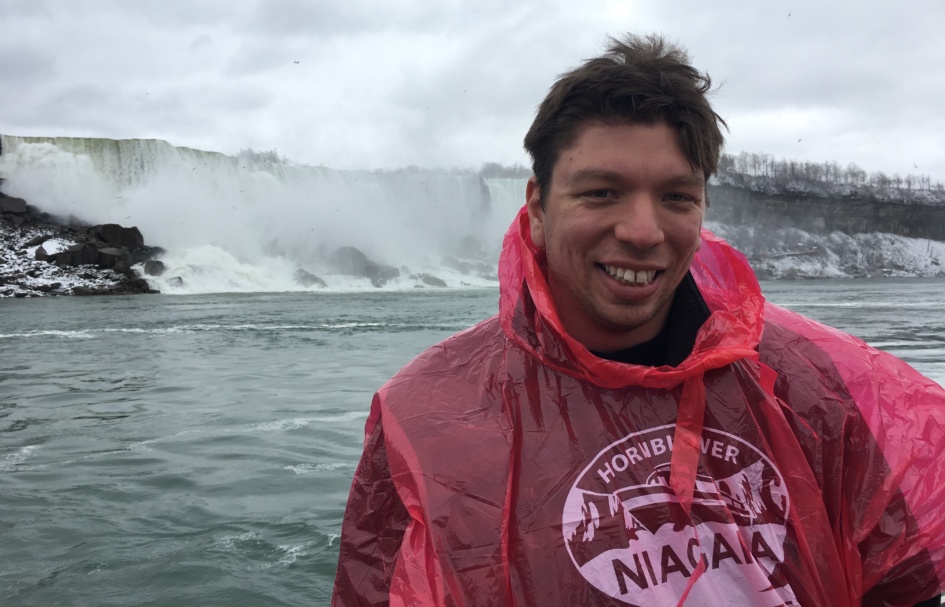
In front of the American (i.e. less exciting) falls
Most people I spoke to were pretty down on Niagara Falls beforehand, so we were pleasantly surprised by our day tour. (Incidentally, Trump really has put rocket boosters on the standard tour guide repertoire of jokes about America: we got to a contrived but accurate slam on the US healthcare system within about 10 minutes of the bus setting off.)
Alongside seeing the Falls themselves, which were smaller than I’d imagined but very cool to get up near in a boat, we also got to sample Canadian ‘ice wine’ which is super sweet, like drinking a tasty dessert. Randi and I drank more later on at the top of the CN Tower, the ‘tallest free-standing structure in the Western Hemisphere’ (as a careful lawyer might write) which really shows off what a metropolis the city is – not just a cluster of skyscrapers in the centre, but spreading far and wide with many different clusters of development.
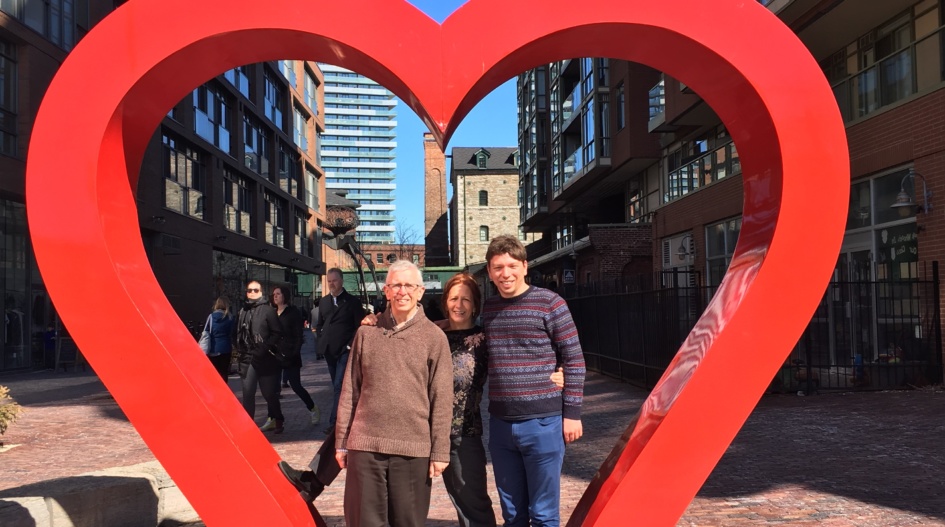
We didn’t push the boat out in our giant heart photos
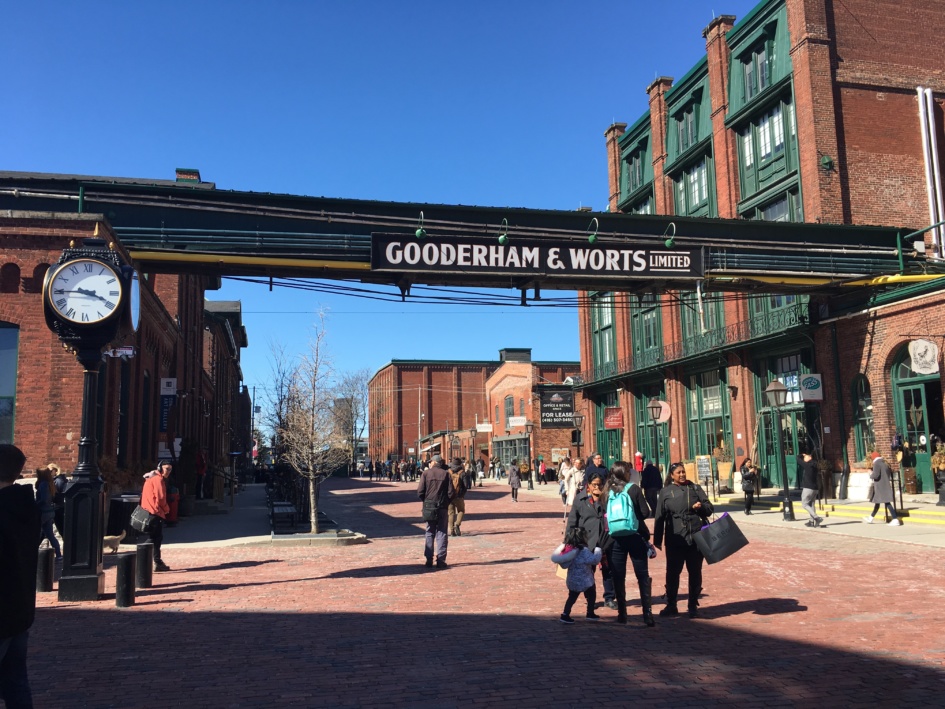
Within the Distillery District
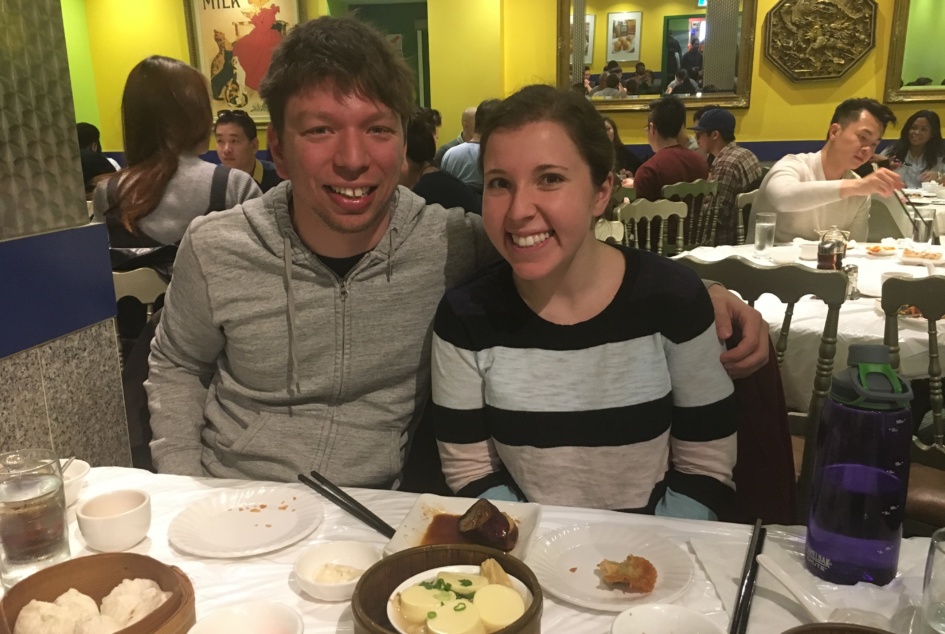
Dim Sum in Chinatown
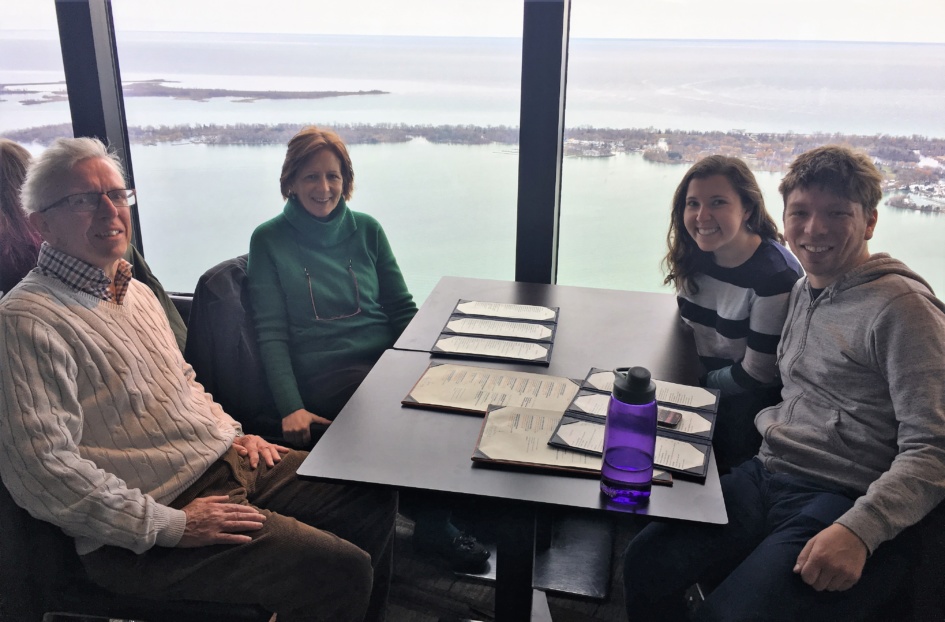
At the top of the CN Tower
We also enjoyed a great dim sum lunch in Chinatown, drank beer in the famous Distillery District, went on a great walking tour (during which the guide claimed that Doctor Who was doing location filming in Toronto that day – sadly we could not verify this by spotting Capaldi anywhere) and had a unique guide to St. Lawrence Market with a thick French accent and a relaxed attitude to trespassing. (This person may or may not have been my mother.)
Finally, a shout out to Billy Bishop Toronto City Airport. Imagine an airport which is within walking distance of the city centre – like a train station – with no queues, tiny planes which are quick to board and (best of all) free refreshments in the waiting lounge! If you visit Toronto, such things can be mere imagination no longer. Magical.
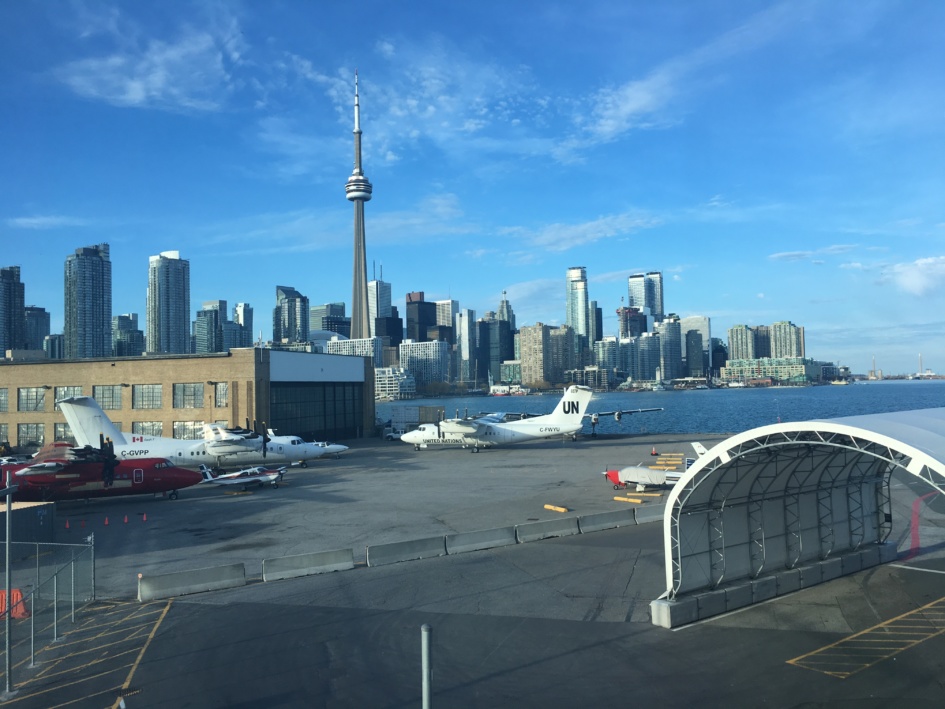
The world’s best airport
Two quick pre-Toronto things to squeeze into this post. Firstly, we had a lovely night with Grace and her mother (both visiting from Wyoming) plus other friends in their fancy AirBnb. Grace’s mother is as cool as I would have expected Grace’s mother to me. Secondly, at Toggolyn’s we followed-through on our plan to watch The Godfather Part II together. I’m not sure I take the popular view that the sequel is better than the original, but it was certainly enjoyable to watch. The unanimous consensus is that Part III is not worth it.
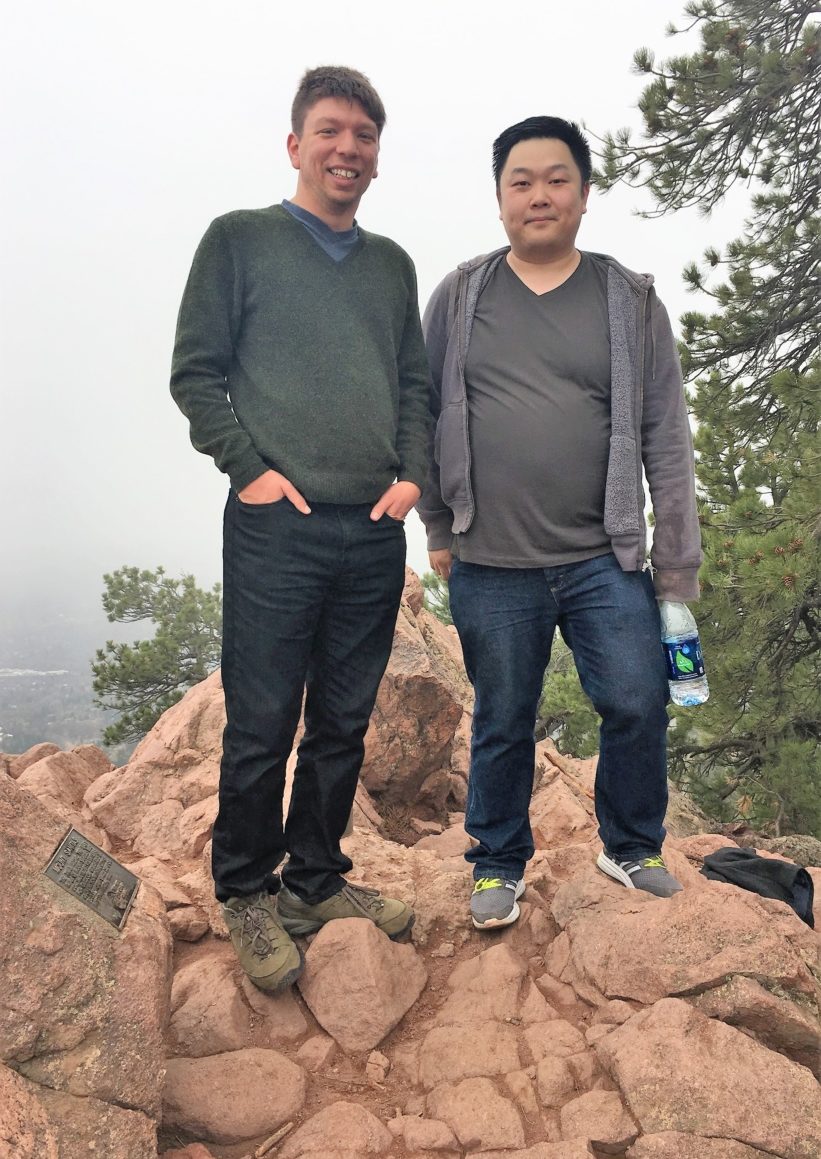
Since Jason and I live half an hour away from each other in Chicago, it seemed only natural to hang out by both flying to Denver at different times and overlapping for a day. So that is what we did. Welcome to Colorado!
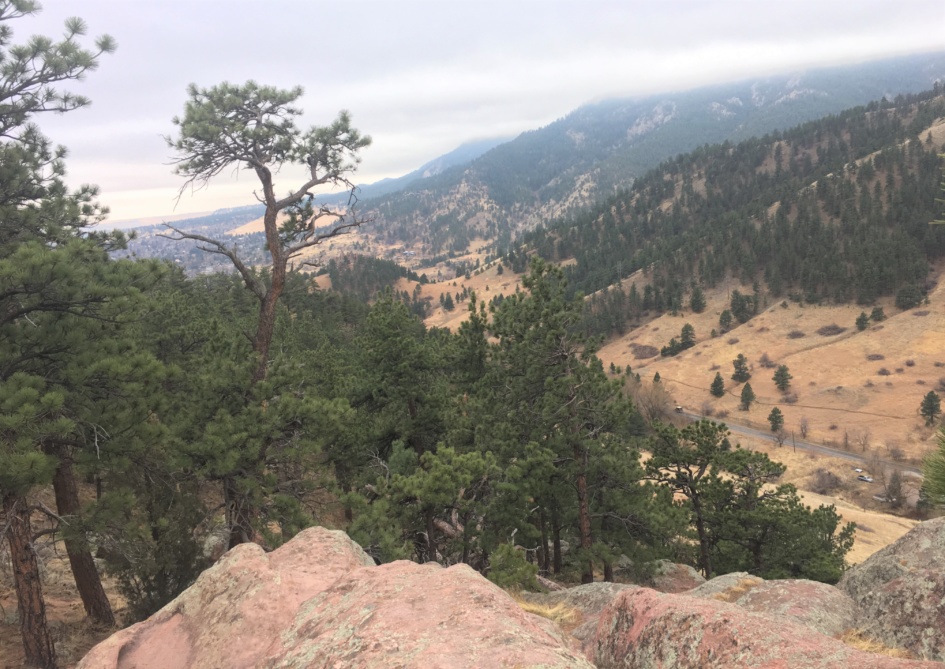
Misty mountains
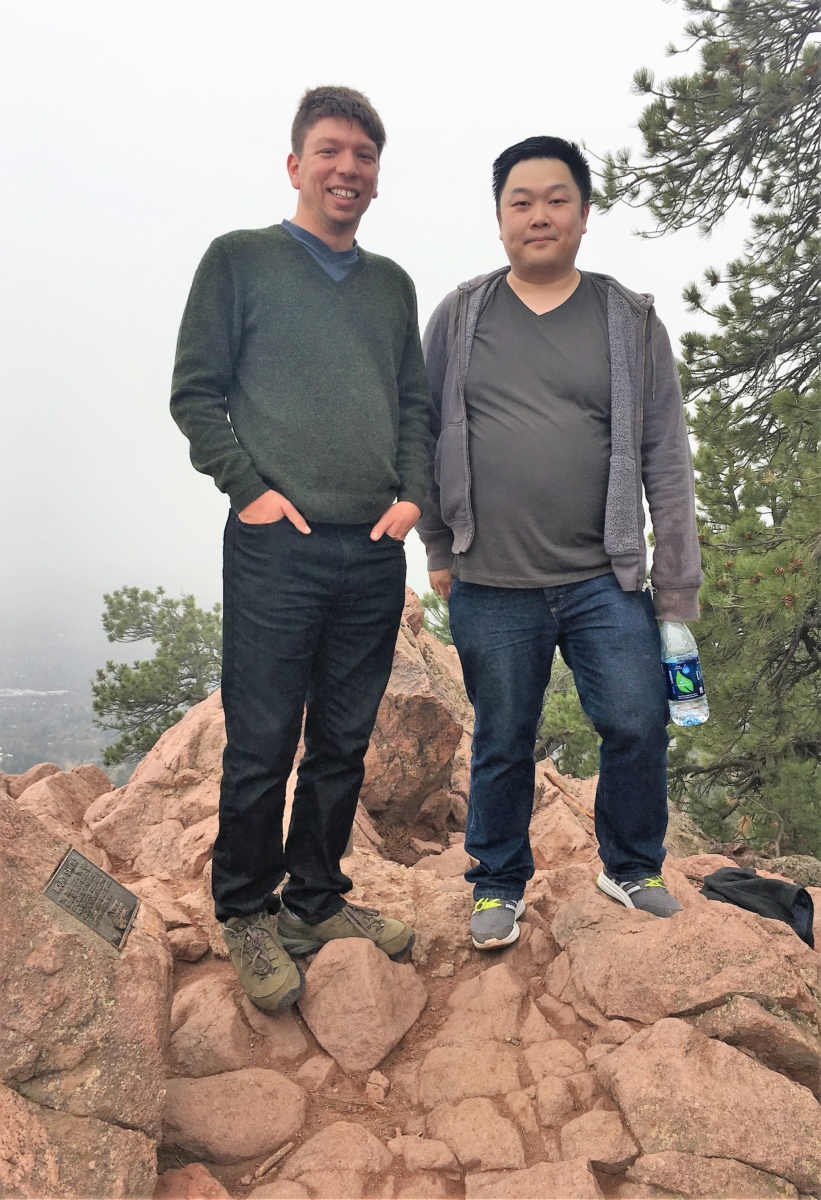
At the (real) summit
Once reunited in Denver, we drove (by which I mean ‘Jason drove’) to Boulder on Saturday morning and then selected a ‘medium+’ hike up Mount Sanitas for a decent morning walk. (The city of Boulder bothered me for a bit because I couldn’t work out why I would have heard of it before, until I realised it is the same Boulder which rhymes with ‘shoulder’ in the Chainsmokers song.)
Once Mount Sanitas had been suitably ascended we moved on to the Red Rock Amphitheatre, which seems like a nice place to see a concert, before enjoying some of Denver’s craft beer and the company of Jason’s friend Raj. Had I wanted to enjoy some of Denver’s other highlights (bad cannabis puns are obligatory!) then that would have been very easy too, as weed shops are just about everywhere. (And for fans of intricate local tax policies, fear not, they cater for you too.)
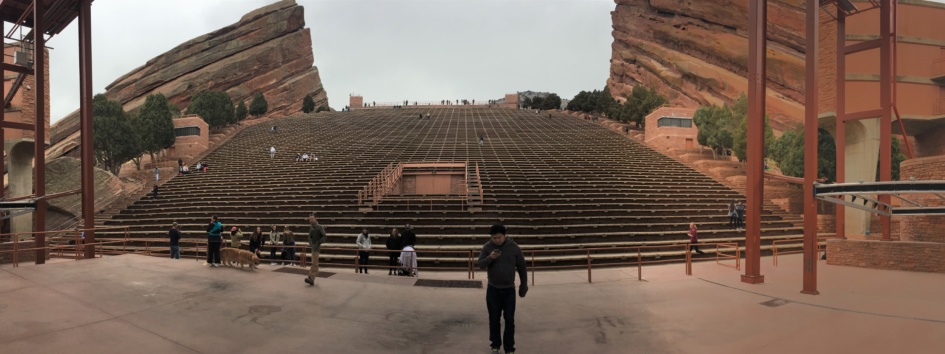
The stage at the Red Rock Amphitheatre
On Sunday I roamed the city by myself taking in the semi-pedestrianised downtown LoDo area, a great creole breakfast place, the Coors Field baseball stadium, a nice city park and a full three branches of the Tattered Cover bookshop. This makes a truly excellent place to sit with a cup of tea, amongst all of the beautiful books, and read a Kindle.
I also went to the Botanic Gardens, where I learnt all about trichomes (i.e. hairy leaves) from a patient woman at the Science Chats table within the Science Pyramid. Full credit to the Botanic Gardens for being enthusiastic about their Science, but I couldn’t help feeling a little sorry for the person who ends up taking the Sunday morning slot on the Science Chats rota. So that her teaching doesn’t go to waste, let me assure you that most plants have surprisingly hairy leaves, and that looking at them under a microscope is cool.
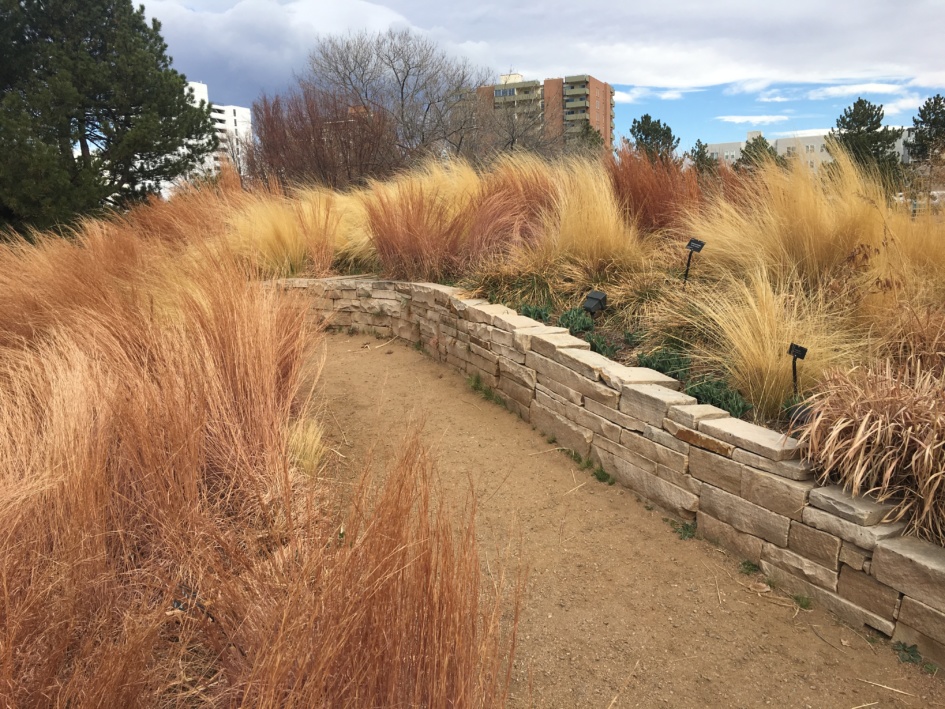
I wouldn’t say the Botantical Gardens was ‘in season’, but this was pretty
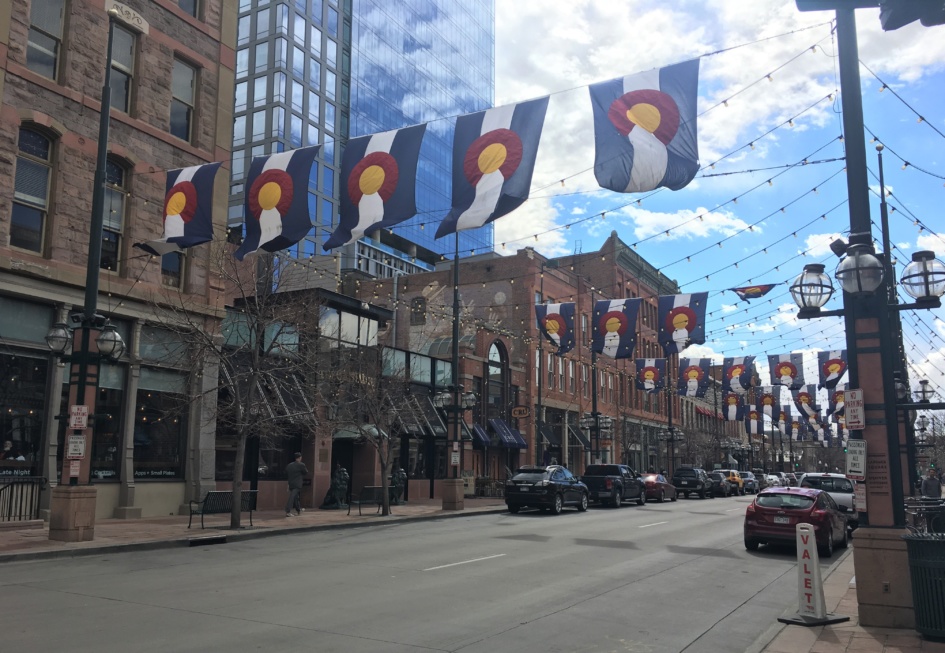
LoDo, Denver
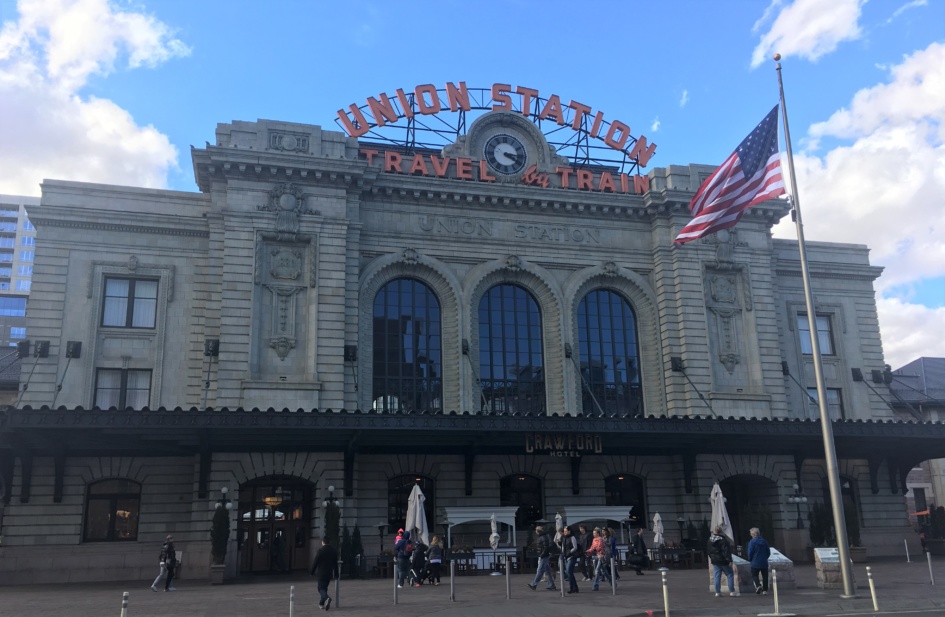
Travel by train! Admittedly only a train to the airport, but still.
Finally, I wanted to lavish praise on the city of Denver for connecting their faraway airport to the centre of the city via a fast and frequent train ride costing $9. Good job!
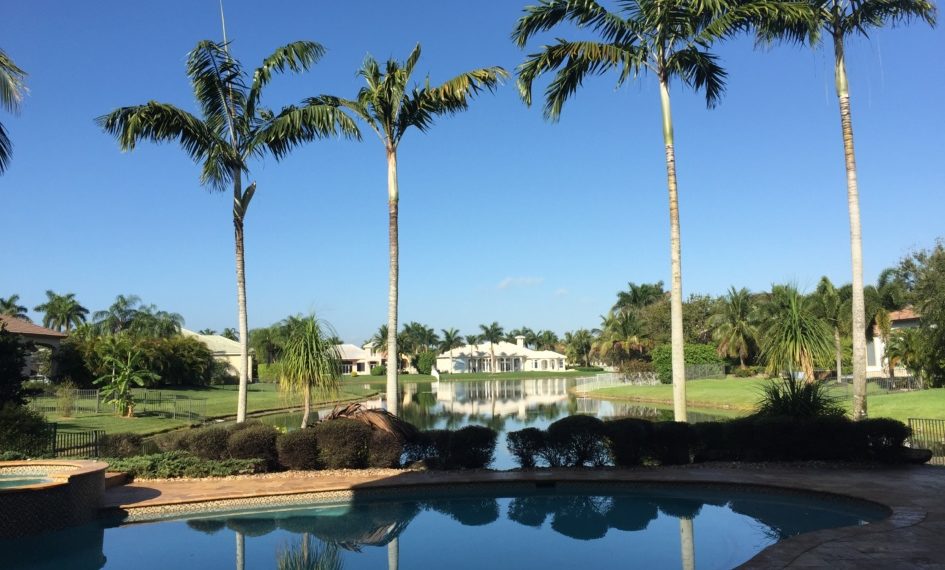
I made it to Florida!
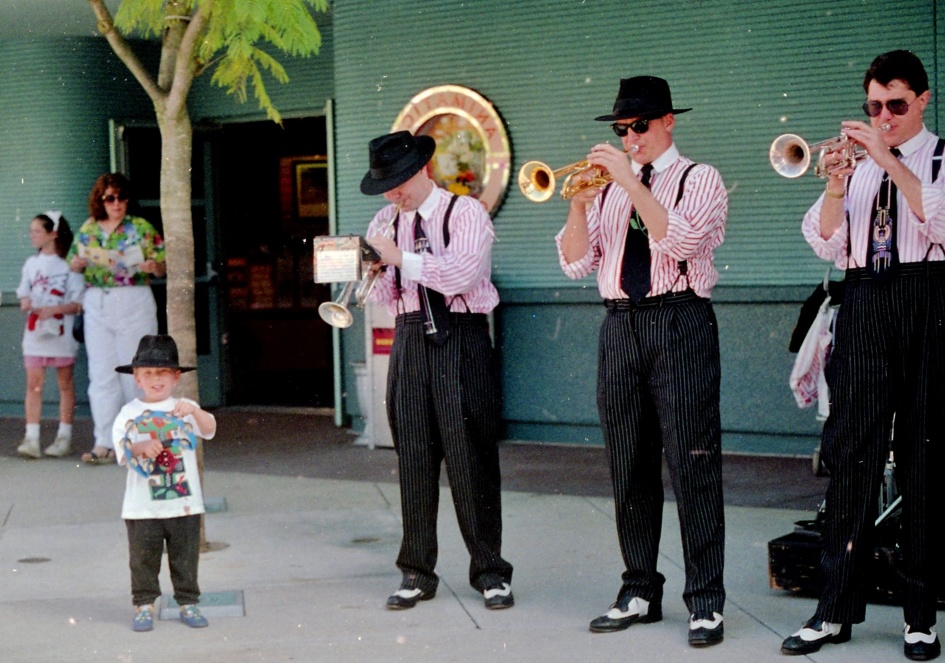
Blending in
OK, so I made it to Florida in 1993. But that doesn’t count for the purpose of my scratch map since I wasn’t blogging anything at the time, and my main memory is getting yelled at by my parents just because I tried to stick my hairbush into the electrical socket. So last week I tried again, visiting Randi’s cousins in the Miami area. Special thanks to Sandy, Corey, Logan and Landon for hosting us, especially as their back garden looks like this:
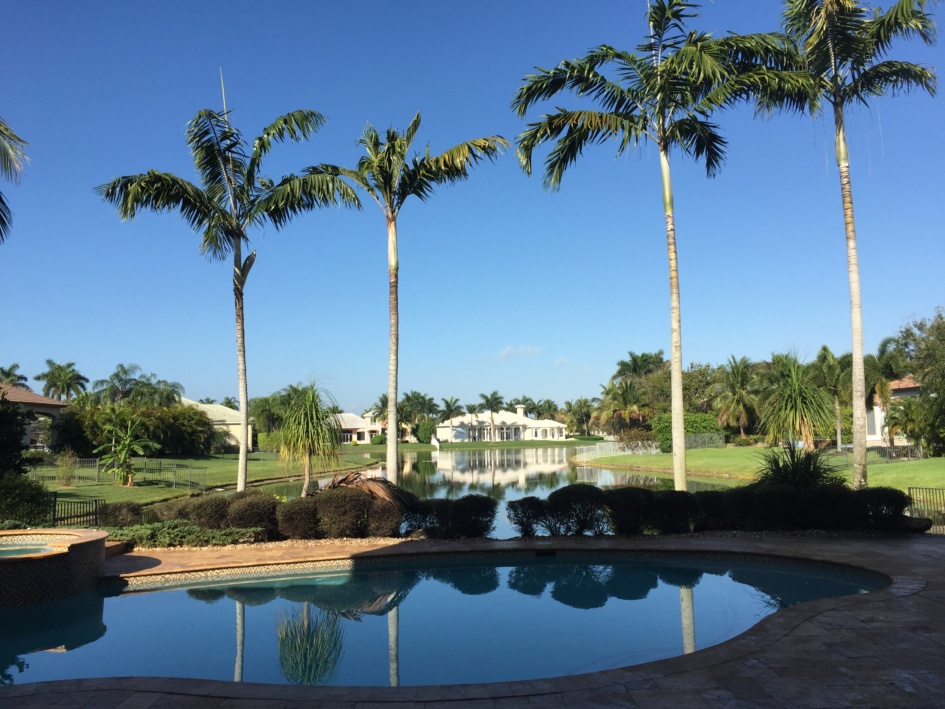
Not too shabby
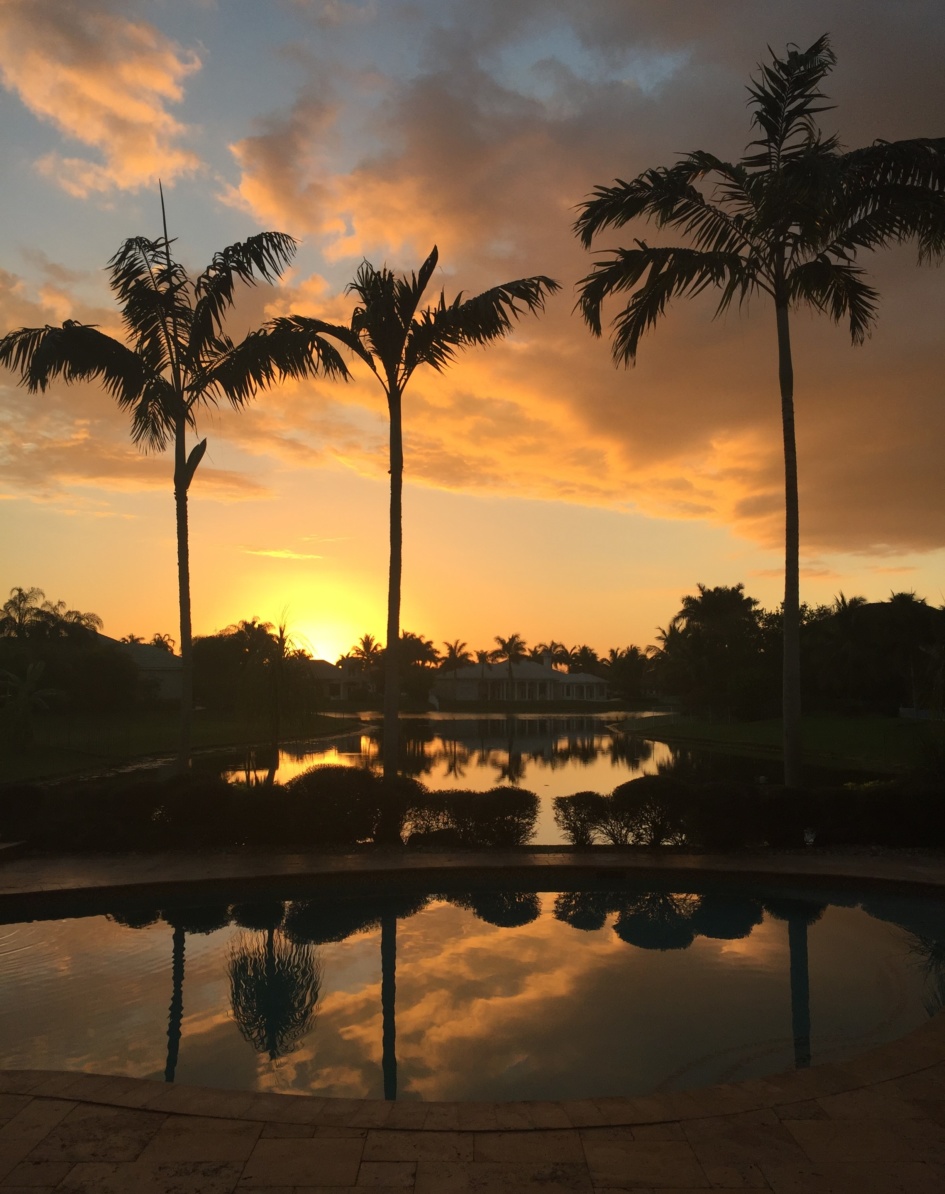
Also pretty nice at sunset
As always, places which are luxurious to visit do not always make for practical living. On the first day we lazed by the pool until lunchtime when we decided to pop out for a bite. The nearest restaurant was an hour’s walk away, during which we saw precisely zero other people on the pavement. (To be fair, at least there was pavement the whole way… I’m looking at you, Skokie.) On the way back, the security guard at the entrance to the estate looked astonished that anyone might turn up on foot, waving us through the gate built for cars with the uncertain salutation to “walk safely, I guess…?”.
I call it the milk test: never live anywhere which isn’t a 10 minute walk away from a shop selling milk.
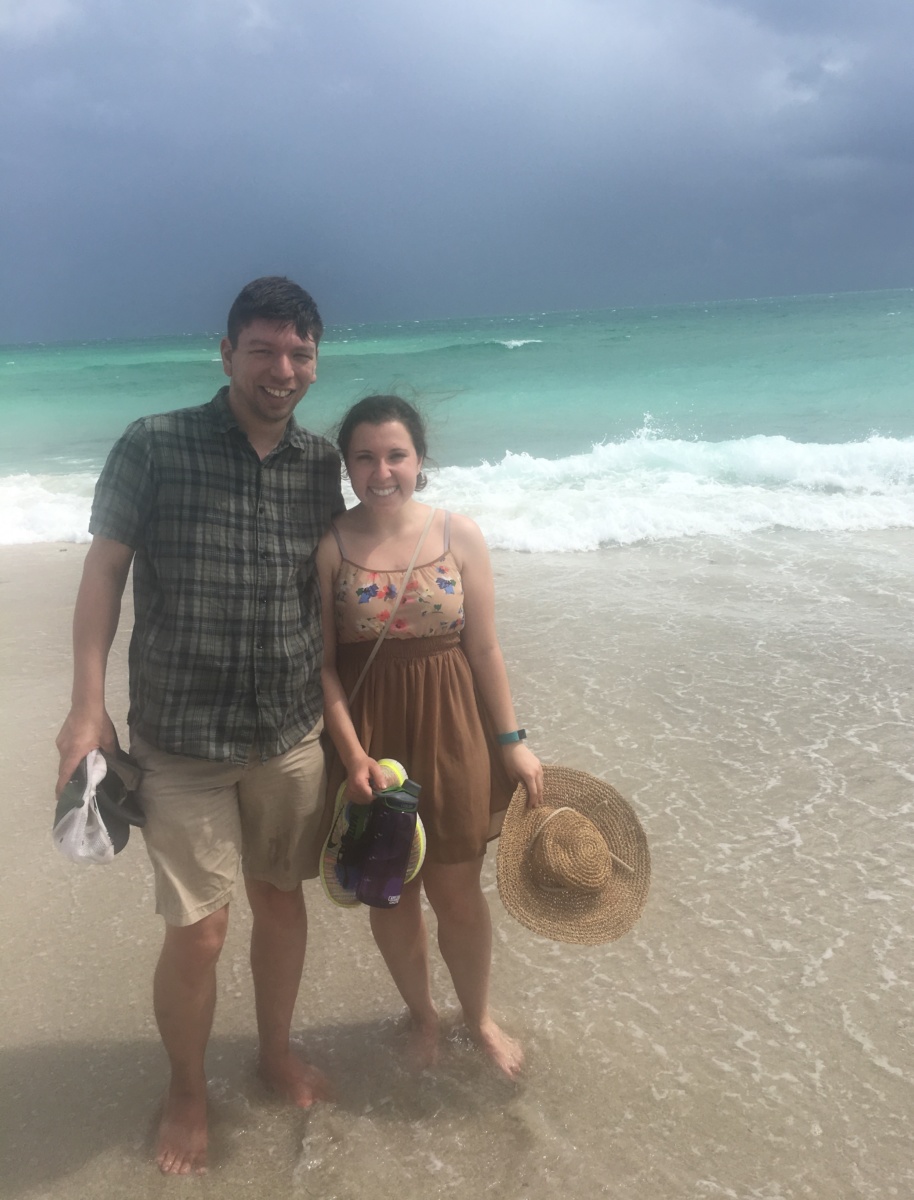
At the beach
The next day we hung out in Miami Beach, which is technically a different ‘city’ to Miami but is (a) just over the bridge (b) probably what most tourists think is Miami anyway. Unsurprising it is warm, sunny and wonderful to walk down the public beach, admire the historic art deco hotels and wash down Cuban food with a pitcher of sangria. Much more surprisingly, but somehow even better, is the fact that the city is dotted with free public suncream dispensers! Suddenly this seems like the most obvious thing in the world, and I am surprised I have never seen it before.
Miami, you’ve impressed me with your public health programme.
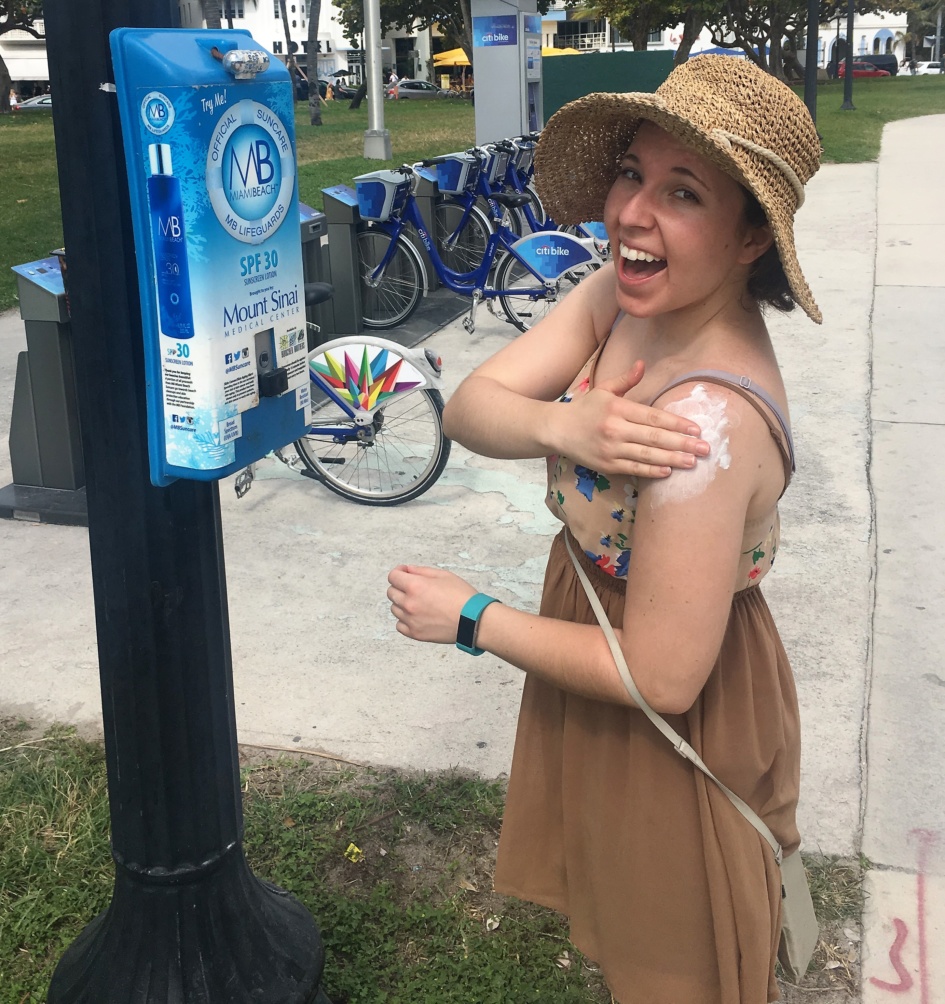
Free suncream!
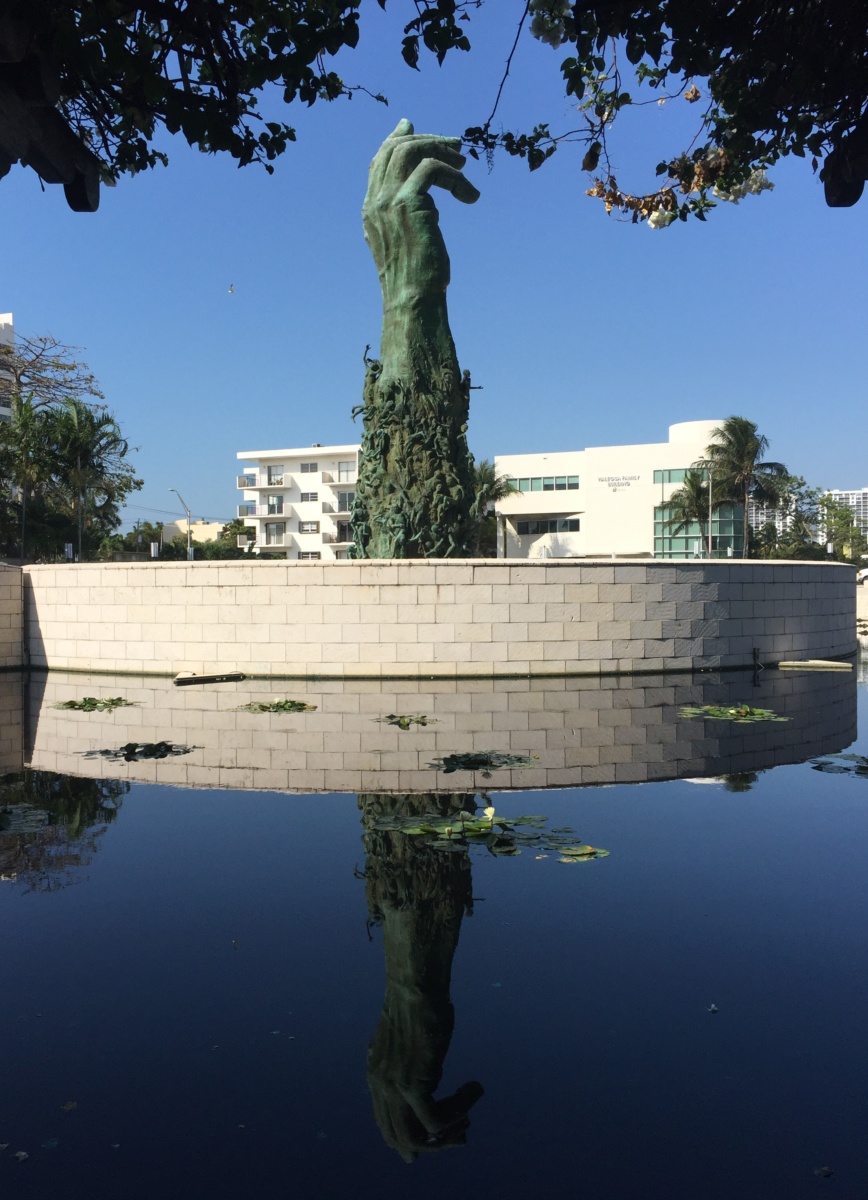
The Holocaust Memorial in Miami Beach
More soberingly, we also visited the city’s Holocaust Memorial. There isn’t much to say abut this other than it’s worth seeing if you are ever in the area. (Especially if you have a job in the Trump administration.)
Later, we briefly stopped by Miami-proper to visit the Wynwood Walls before going home. On Saturday, it was time for a brand new American experience: the high school ‘track meet’. I’m starting to doubt myself, but I’m pretty sure this is not the norm for the UK. I mean, sure, there was a low-key school football team and I’m sure some of their parents and friends turned up for matches. But this is a different level of school pride, which is both kinda nice and rather strange. (Doesn’t school stop at the weekends?) Either way, we got to see Landon’s relay team triumph in their race (go Sharks!) before recuperating from all of this vicarious exercise at the beach club.
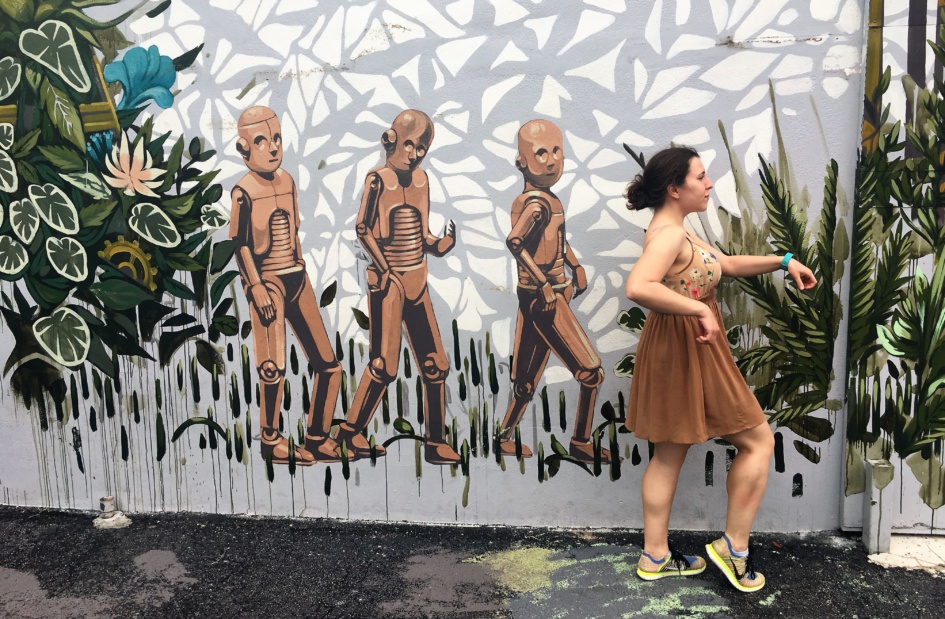
Automation in action
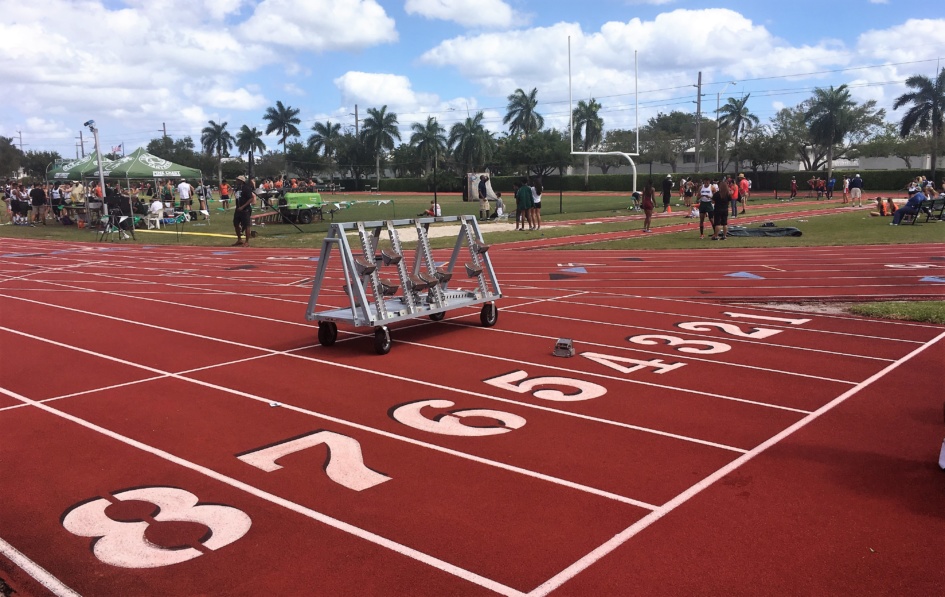
Sportz
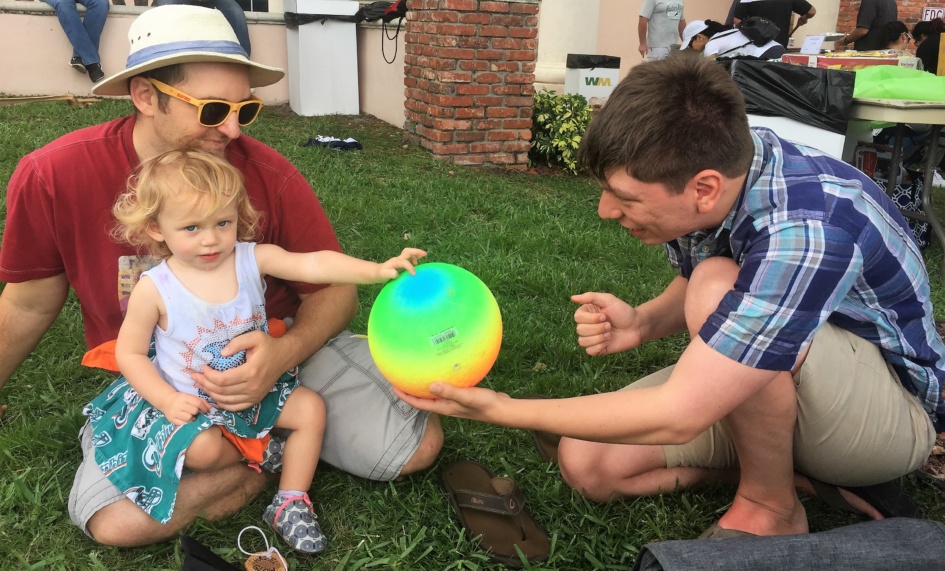
More sportz
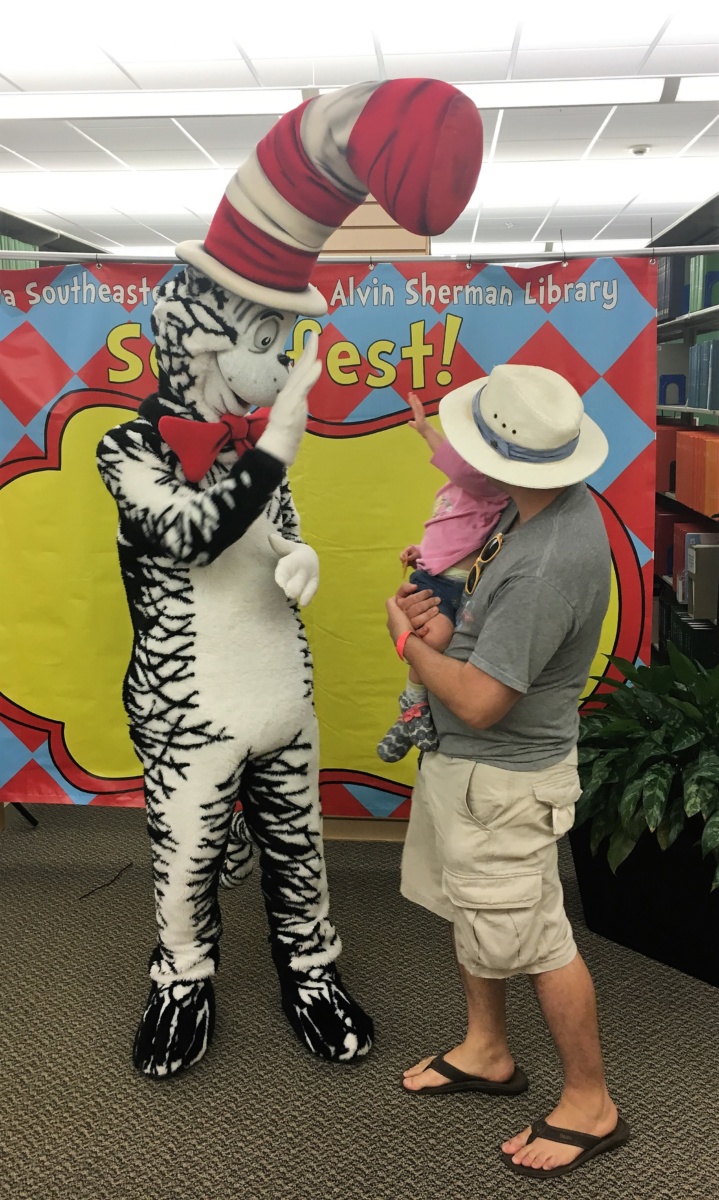
The Cat in the Hat
Wait, who is that adorable child up above? She is Randi’s newest cousin, and reason enough to visit. As a bonus we got to spend our final day with her and her dad Greg at a free Dr. Seuss festival, hanging out with the Cat in the Hat, Thing 1 and Thing 2. I’ll be honest: as a child, I wasn’t a fan of their anarchic ways, and was very much on the side of the law-abiding fish instead. But I suspect we have both mellowed over time, especially now that the Cat in the Hat has all of these public appearances to make.
Florida = done. Again.
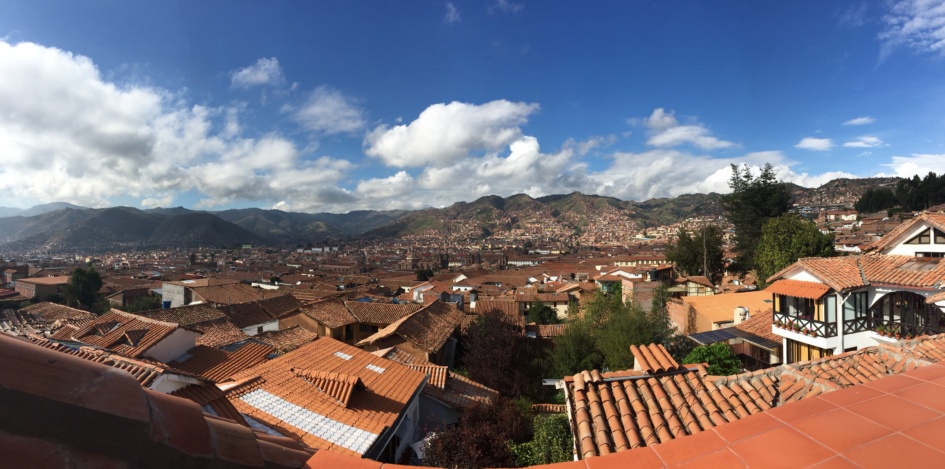
Welcome to Cusco!
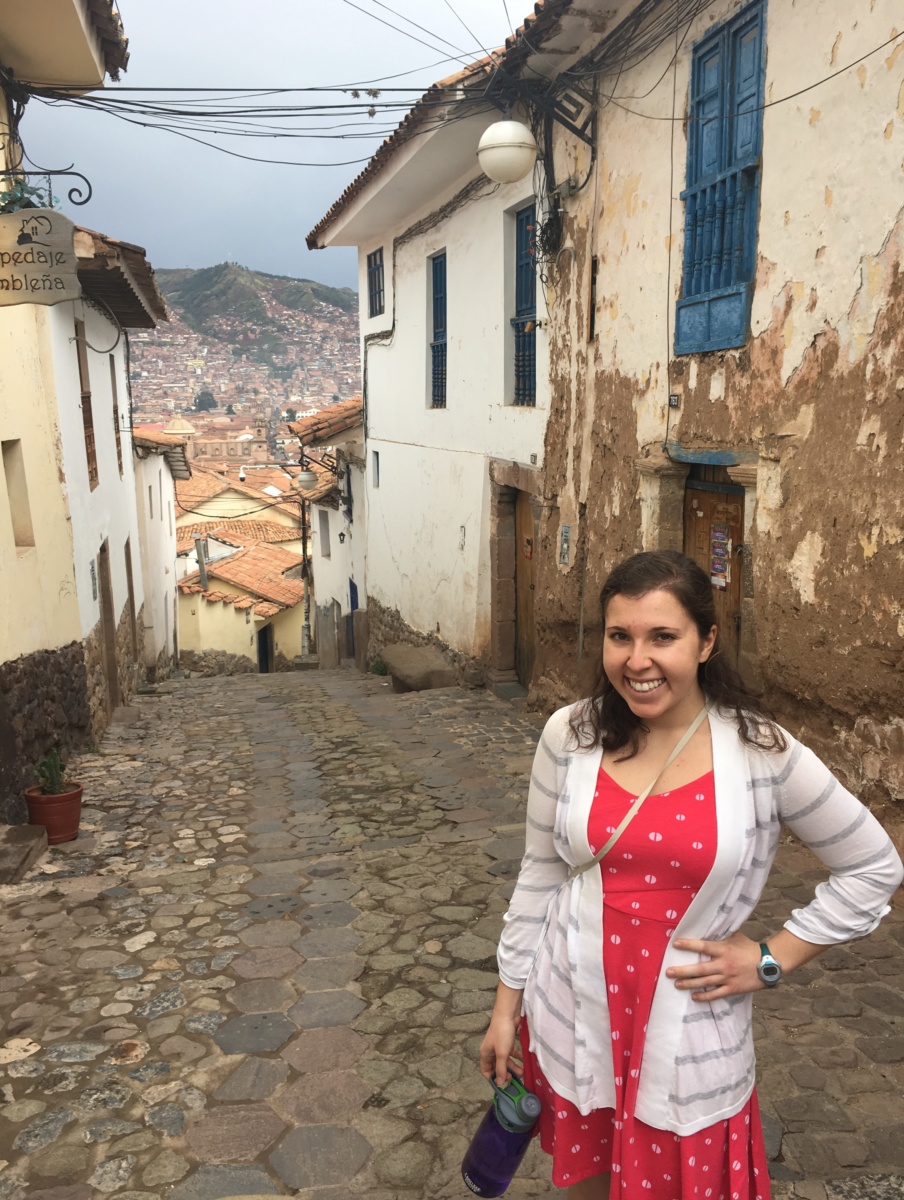
Streets not optimised for cars
If you’re looking for the most magical place to be for the first light of Christmas Day, I can attest that it’s definitely not inside an Avianca plane cabin. (For one thing, there are a noticeable lack of chimneys for Father Christmas to use.) But I gladly took the sacrifice when it meant arriving in Cusco on Christmas morning. The capital of the Incan Empire, Inc. for several hundred years before the Spanish arrived, and now in modern-day Peru, Cusco is nestled between mountains at an altitude of 3400m and the very first thing a hotel will give you at check-in – literally before a room key – is a cup of coca leaf tea to help with any altitude sickness. (Fact: the majority of the Wikipedia article on coca tea is dedicated to comparing this to a line of cocaine.)
So we took our first couple of days in Cusco relatively easy, trying alpaca meat (tough and chewy) and Ají de Gallina (absolutely delicious) and pondering why all of the ‘stray’ dogs looked so well fed. (Turns out they’re not stray at all, they just wander freely.) We also took a city tour which included the Incan sites of Coricancha and Saksaywaman, but mostly we prepared for the main event: our four-day Lares Trek with Lorenzo Expeditions.
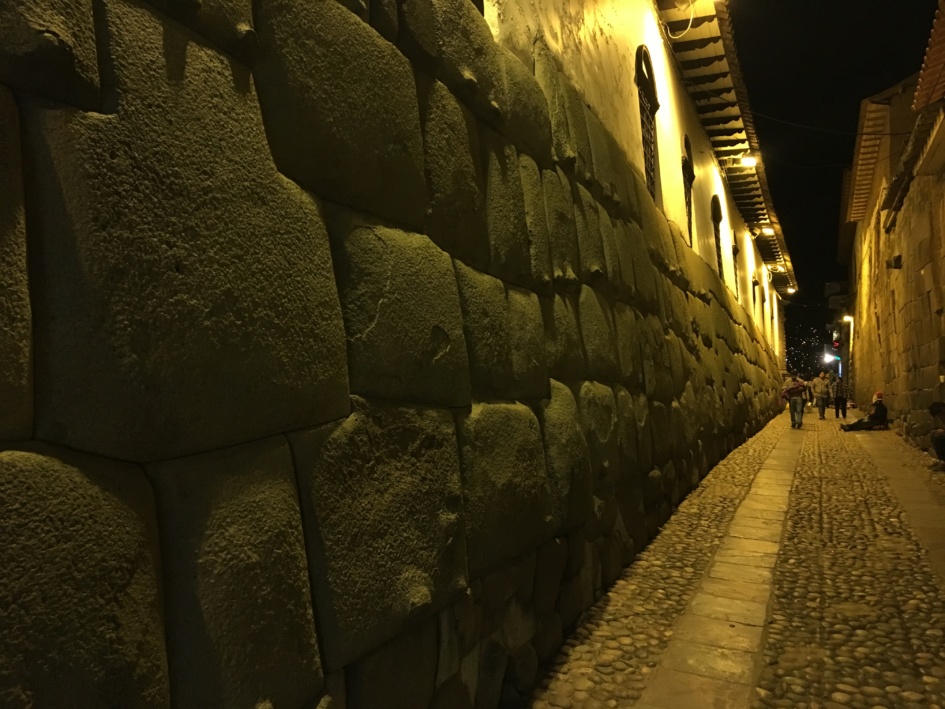
My favourite wall. (I mean it.)
Amazingly, we were the only people on the expedition… not including our (amazing) guide, Bruno. Or our personal chef Andrés, who made actual magic happen several times a day. Or the two guys who led the horses carrying all of our stuff. Or the dog which spontaneously came along for one of the day hikes. So, OK, maybe we were pampered. But it was still the most adventurous holiday I’ve had, passing through remote Andean mountain villages at a rising altitude until we reached a summit of 4400m and I checked to see if I could still breathe any oxygen. (No such problems for any other adults, or the children who came running at the promise of sweets, or the llamas merrily skipping from hill to hill. Sigh.)
It was all so beautiful, and all the effort so worthwhile, in a way which I really can’t capture well enough on this blog. The only experience I wouldn’t recommend to others is camping during a lightning storm, which terrified my wussy self deep into a sleeping bag for hours until it finally stopped. (Surely you shouldn’t be able to see the flashes with your eye closed?)
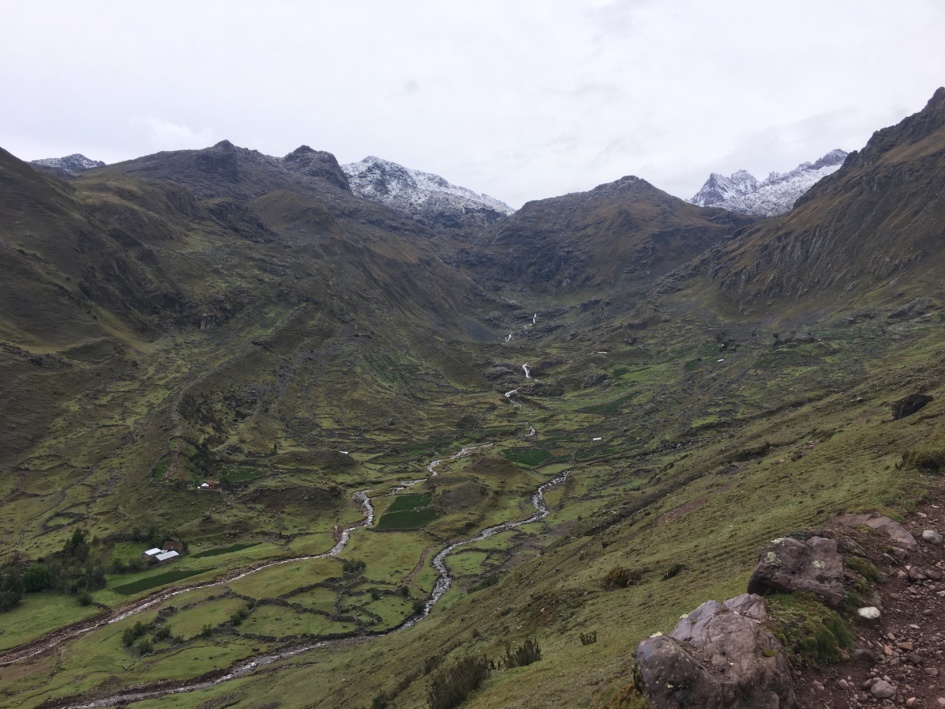
Trekking through the Andes
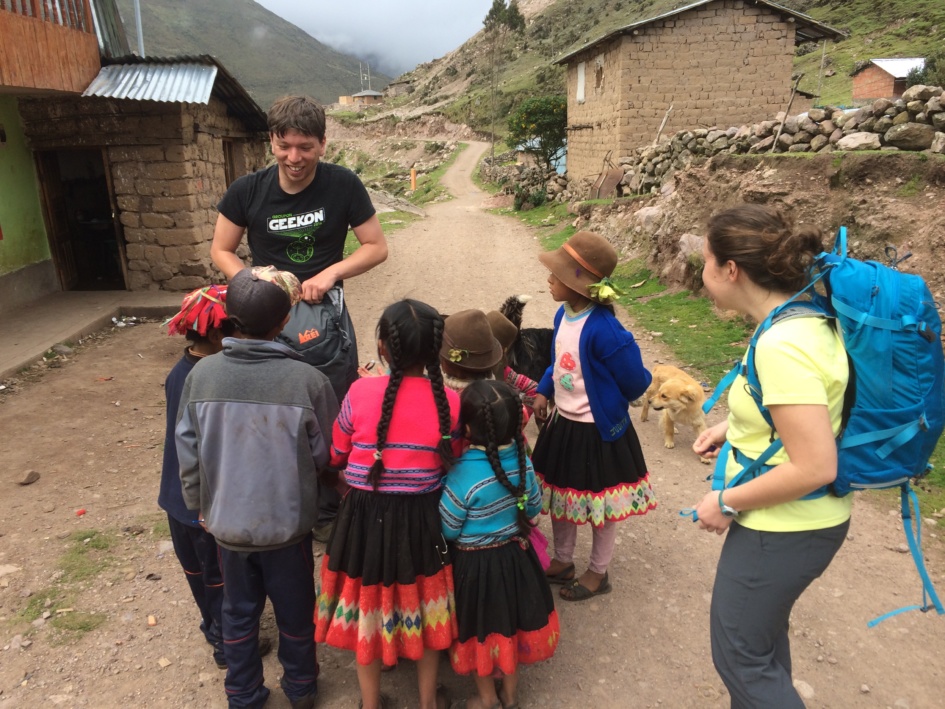
These children had zero problems running around at high altitude
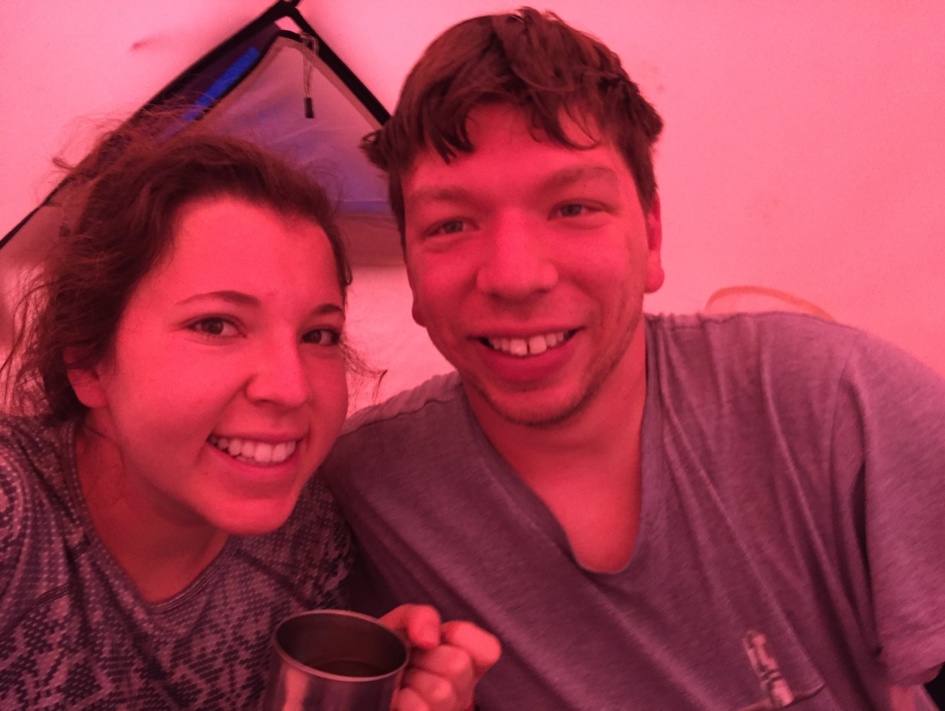
Suave camping selfie
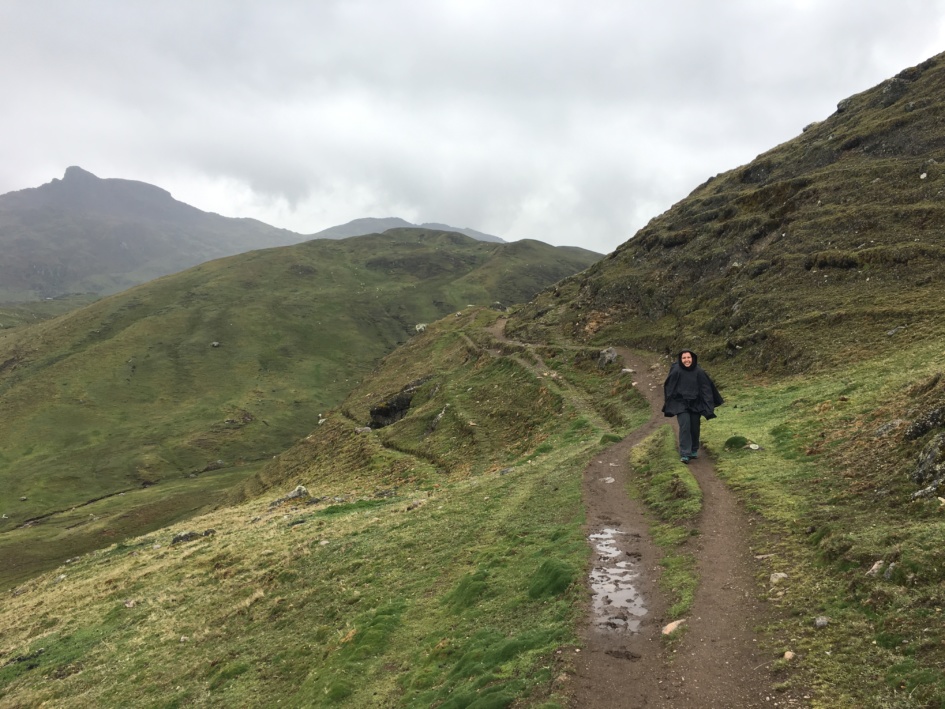
All you need in life is a poncho
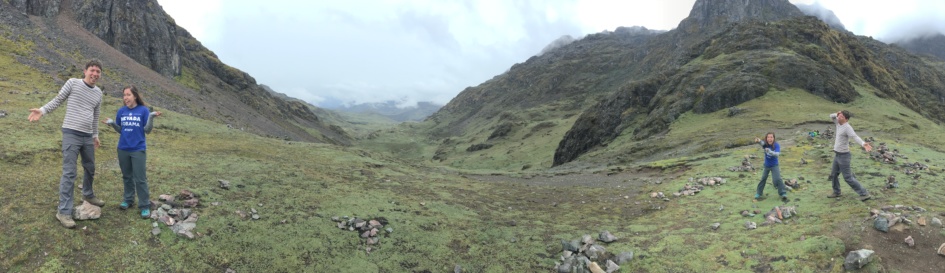
At the summit, 4400m up!
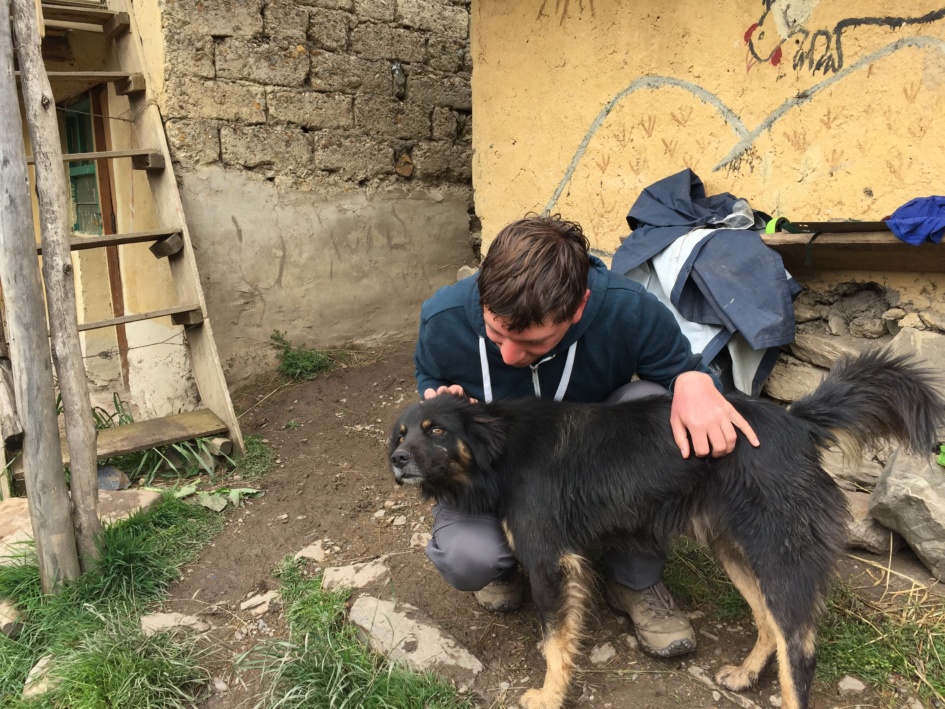
This dog won me over with its body heat
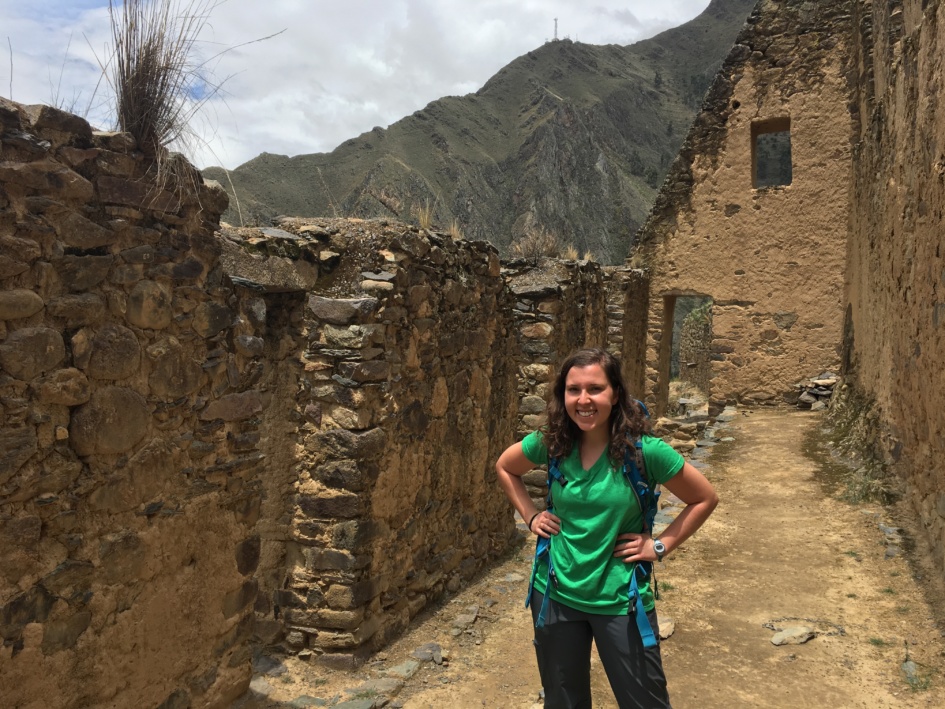
Indiana Lawrence
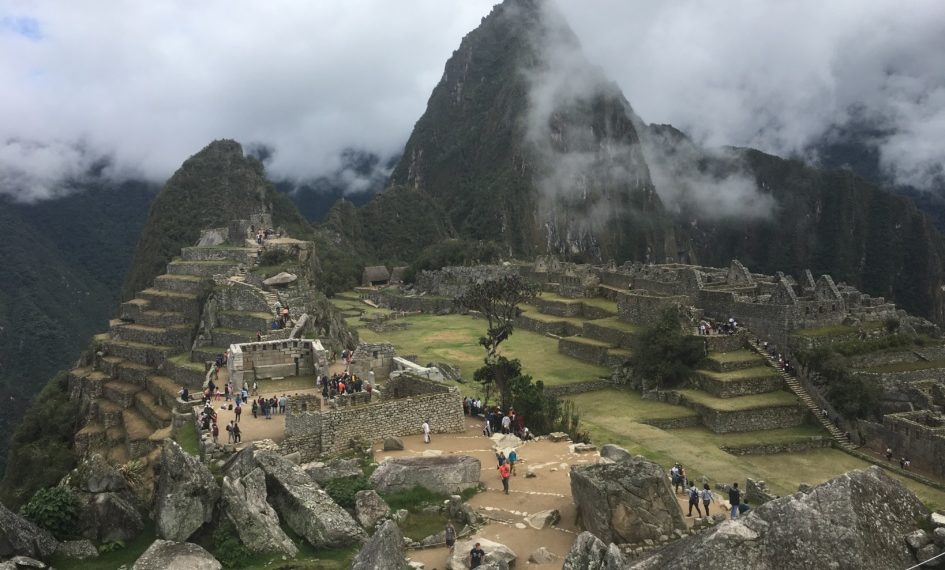
By the time we arrived at the town of Aguas Calientes (by train!) we felt very little pressure about our visit to Machu Picchu the next morning. Everything had already been so breathtaking that ticking off this most-hyped of tourist destinations would just be the icing on the cake, although it’s fair to say that Bruno didn’t share our relaxed attitude and herded us onto the very first bus up the hill at ridiculous am. Also – and this will sound stupid – I don’t think I ever really thought about what Machu Picchu actually was beyond ‘that one photo’ which everyone takes (mine is below, don’t worry). So, expectations nicely lowered, it was even more wonderful to be led around this incredible Incan citadel in the early morning mist.
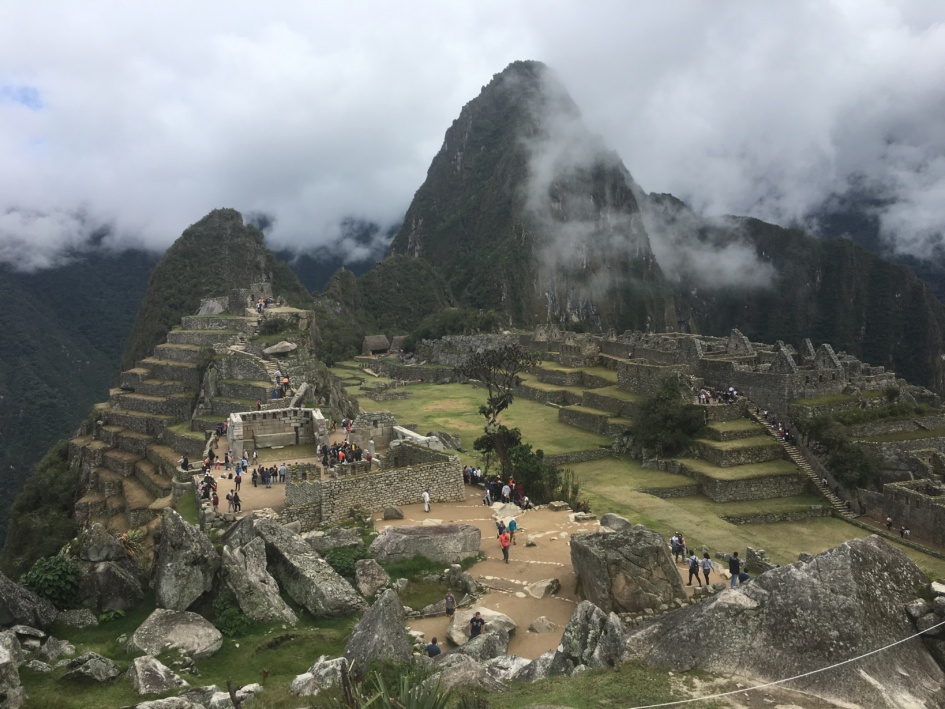
In case you hadn’t seen this shot before
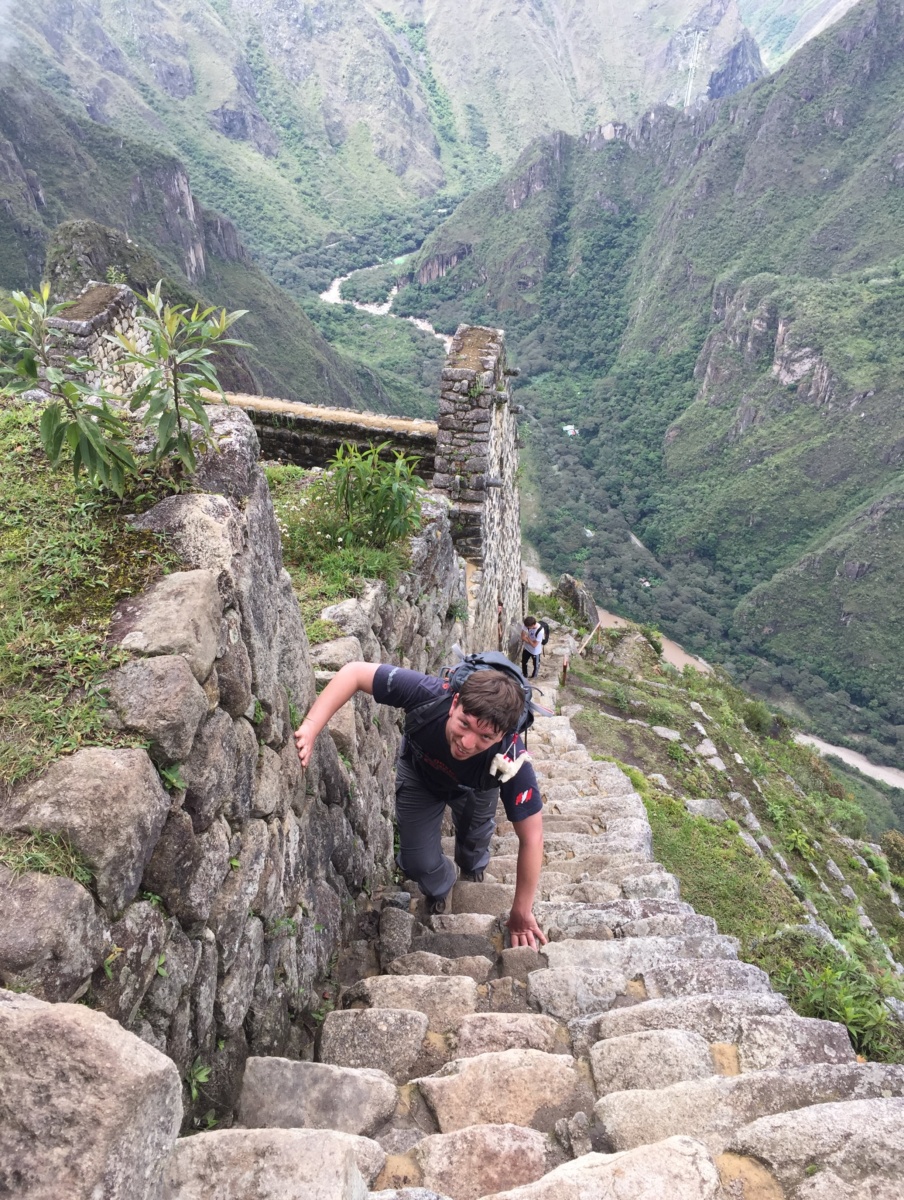
Not posing – genuinely this steep
A huge thank you to Francisco, who heard about this trip in the planning stage and insisted I book tickets to climb Wayna Picchu too. The stairs were sometimes steep, but behind me was a young American girl who was singing patriotic American songs and wondering loudly if she was the youngest person ever to reach the top, which gave me a great incentive to keep going and never ever turn back. (I promised Savanna I would include my somewhat petulant dig at this perfectly innocent child in this post, which only exposes my ungenerous spirit.) Anyway, the view from the top is suitably fantastic. If you go to Machu Picchu you should do this too.
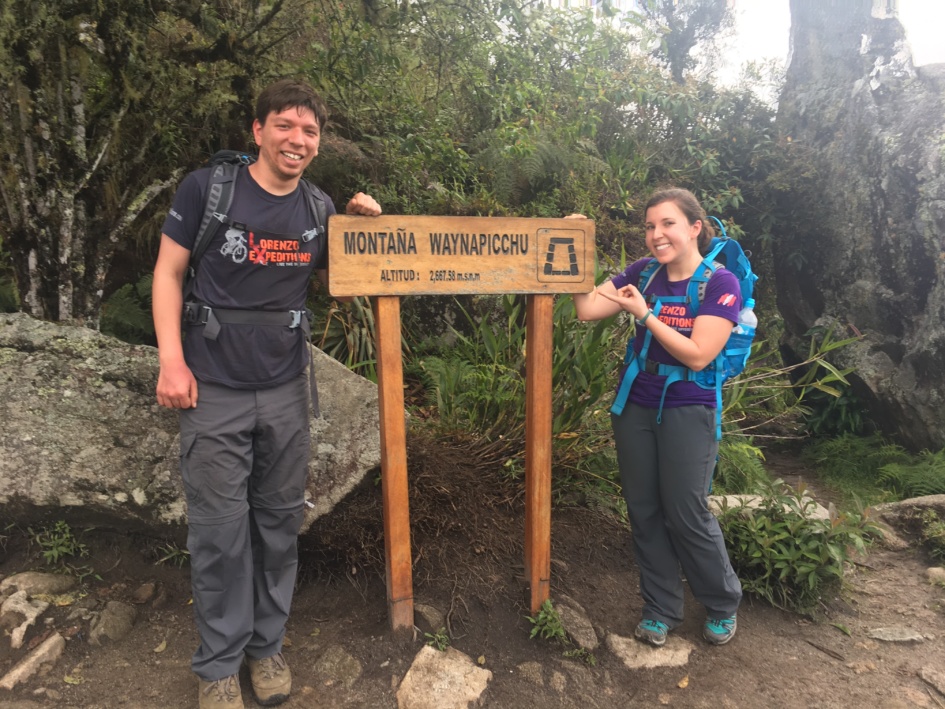
Misleadingly, this isn’t quite the top of Wayna Picchu
If you’re looking to rev up a party atmosphere on New Year’s Eve, an Avianca plane cabin is again the wrong choice. But arrive in Quito, Ecuador and you will witness a plethora of New Year festivities on the ride back from the airport: men dressed enthusiastically as women, effigies of the old year ready to burn and – somewhat alarmingly – masked children blockading the street with skipping ropes until they are paid off for their ‘dancing’. (The dancing seemed to be mostly nominal – I think it was all about the blockades.) After a quick recce around the historical centre and danced (well, Randi danced) to the rumba music, we partied hard until the early hours went to bed at 8am.
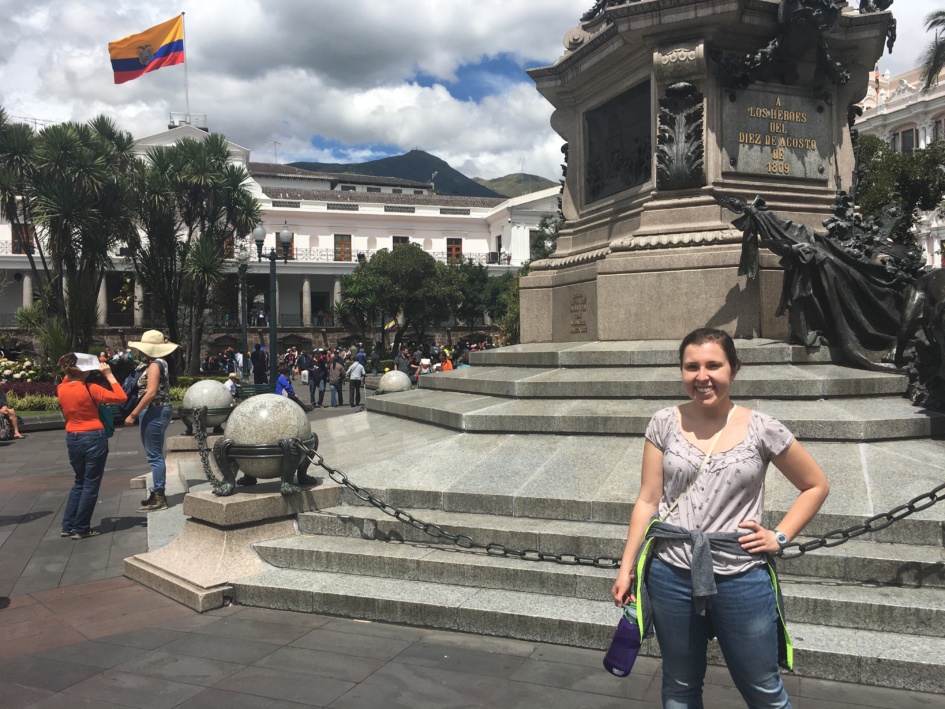
Welcome to Quito!
Most of my advance reading about Quito was of the ‘how to get mugged in the street’ variety, but we had no trouble at all in our (admittedly limited) walks around the small historic district. Quito is really huge in total, however, and the best way to appreciate this is by riding the TelefériQo gondola lift up to the top of the volcano which overlooks the city. You can also hike around in the clouds up here, which was a fine way to spend the first morning of 2017. The next day we learnt more about the history of the city through another walking tour, including a lesson in chocolate making and the weekly changing of the guards in the main square. The President was supposed to come out and wave from the balcony of the Presidential palace at this point, but he failed to make an appearance. Typical Ecuadorian elite.
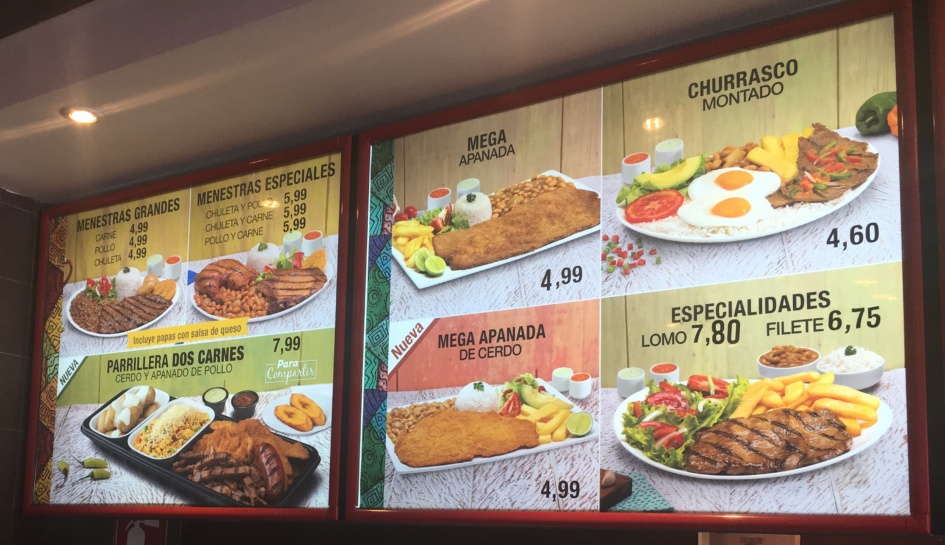
We got excited by the fast food options
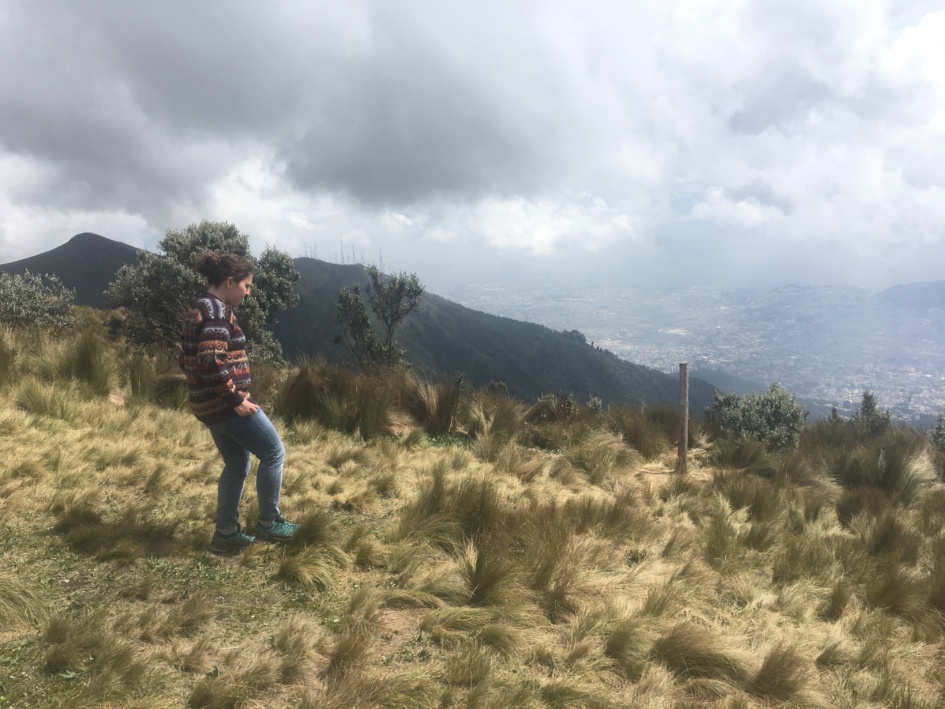
At the top of the TelefériQo
I could go on and on about my first trip to South America, but I’ll stop before I get too sad about being back. tldr: it was great. You should go. Go right now.



 Linda Moffitt on Colombia: “Such a sweet memory of the four of you meeting up in Colombia!” Dec 2, 07:42


